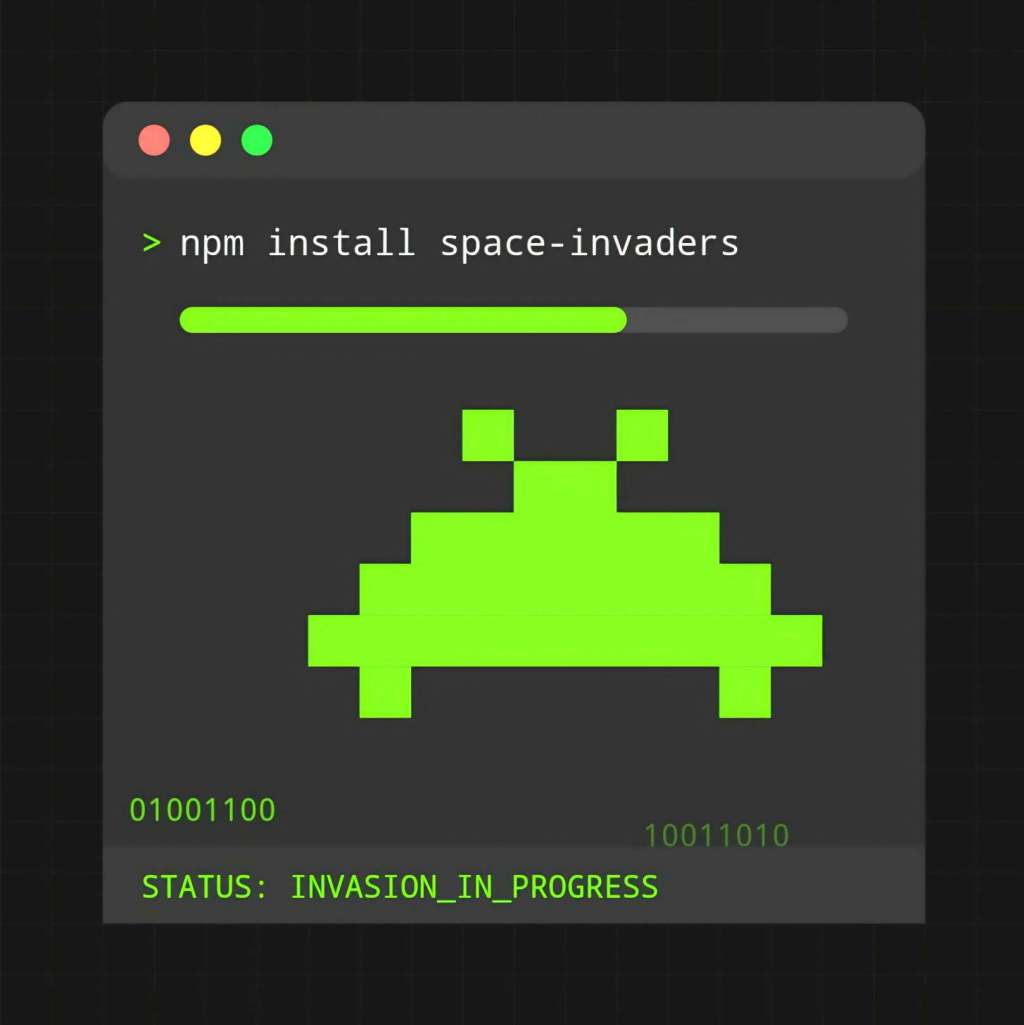
In the late 1970s, a groundbreaking video game titled Space Invaders emerged, captivating audiences worldwide. Developed by Tomohiro Nishikado and released by Taito, the game featured rows of pixelated aliens advancing toward the player, who controlled a laser cannon to eliminate them. Despite its basic graphics and limited hardware capabilities, Space Invaders became a cultural phenomenon and laid the groundwork for the gaming industry. Even decades later, this iconic game offers valuable lessons for contemporary software engineers. Its design, development, and lasting legacy present timeless insights into simplicity, optimization, user engagement, and the creative potential inherent in constraints.
The Power of Simplicity and Focus
One of the most notable characteristics of Space Invaders is its simplicity. The game has a clear objective: to shoot the aliens and survive. There are no convoluted storylines, complex controls, or excessive features. This straightforwardness allowed players to quickly grasp and engage with the game, making it accessible to a broad audience. For modern software engineers, this emphasizes the importance of concentrating on core functionality. In an environment where feature bloat and over-engineering are significant risks, Space Invaders serves as a reminder that effectively addressing the primary problem should always be the top priority. A well-designed application or system should be intuitive and clear, prioritizing user experience over unnecessary complexity.
Resource Constraints and the Art of Optimization
The hardware available in the 1970s was markedly limited by today’s standards. Space Invaders was created for arcade machines with minimal processing power and memory. Developers had to produce highly optimized code to ensure seamless gameplay. This limitation prompted them to think creatively about maximizing performance with restricted resources. Modern software engineers can draw inspiration from this approach. Although today’s hardware and cloud computing capabilities are robust, optimization remains an essential skill. Efficient coding, effective memory management, and scalable systems are critical for delivering high-performance software. The lessons derived from Space Invaders remind us that constraints can foster innovation, and resourcefulness is a hallmark of exceptional engineering.
Iterative Development and Continuous Improvement
Space Invaders was developed through a process of iterative improvement, building upon prior games and introducing new concepts such as moving enemies, escalating difficulty, and a high-score system. These innovations resulted from refining and enhancing ideas over time. Modern software engineering methodologies, such as Agile and DevOps, prioritize iterative development and continuous improvement. By starting with a minimum viable product (MVP) and iterating based on user feedback, engineers can create software that evolves to meet user needs. Space Invaders illustrates that even small, incremental adjustments can lead to considerable advancements.
User Engagement and Immediate Feedback
A key reason behind the addictive nature of Space Invaders was its ability to engage players. The game provided immediate feedback; every time a player shot an alien, the consequences were instantly visible. The increasing difficulty and high-score system added layers of challenge and replayability. For software engineers, this highlights the significance of structured systems that offer clear and timely feedback to users. Whether developing a mobile app, web platform, or enterprise system, user interaction and responsiveness are essential for creating a fulfilling experience. Engaging users and nurturing their investment in the product should always be a priority.
Emergent Behavior and Simple Rules
The aliens in Space Invaders demonstrate emergent behavior—a phenomenon where simple rules interact to produce complex outcomes. As players eliminate aliens, the remaining ones move more quickly, resulting in a dynamic and unpredictable experience. This emergent behavior was achieved through strategic programming and design. Modern software engineers can incorporate this principle into algorithms, artificial intelligence, and system design. By establishing systems with simple, well-defined rules, engineers can facilitate complex and intriguing behaviors, particularly in areas like machine learning, where straightforward models can yield surprisingly sophisticated results.
Testing, Debugging, and Reliability
The development of Space Invaders necessitated rigorous testing and debugging to ensure functionality on limited hardware. Bugs and glitches could detract from user experience, making the resolution of coding issues critical. This focus on testing and reliability remains a fundamental aspect of software engineering today. Modern engineers must invest in comprehensive testing practices, utilize automated testing tools, and implement thorough debugging processes to ensure their software is reliable and free from critical errors. The legacy of Space Invaders underscores that quality assurance is not merely a procedural step; it is a fundamental component of exceptional software development.
Cultural Impact and Adaptability
Space Invaders transcended its status as a game and evolved into a cultural phenomenon, influencing both the gaming industry and popular culture. Its success exemplifies the importance of understanding one’s audience and adapting to their needs. For software engineers, this translates into designing with the end-user in mind. A deep understanding of the cultural, social, and technical context of the audience can lead to greater impact and success. Whether creating a consumer application or enterprise solution, empathy and adaptability are essential for developing software that resonates with users.
Legacy and Longevity
Despite its age, Space Invaders remains an iconic title, inspiring new generations of developers. Its legacy illustrates the potential for creating something timeless. For modern software engineers, this serves as a reminder to prioritize quality, maintainability, and adaptability. Building software that can endure over time demands thoughtful planning, clean coding practices, and a commitment to ongoing improvement. The sustained popularity of Space Invaders highlights that exemplary engineering involves more than merely addressing immediate challenges; it requires creating something that endures.
Collaboration Across Disciplines
The development of Space Invaders necessitated collaboration among hardware engineers, software developers, and designers. This interdisciplinary approach was crucial to its success. Modern software engineering similarly often involves diverse collaboration, whether it be with data scientists, UX designers, or product managers. Effective communication and teamwork are vital for constructing complex systems. The story of Space Invaders emphasizes the significance of breaking down silos and fostering collaboration across disciplines.
Learning from Constraints
Perhaps the most significant lesson from Space Invaders is the value of constraints. The limitations imposed by 1970s hardware compelled developers to innovate creatively. Constraints can often lead to breakthroughs, encouraging engineers to think outside conventional frameworks and discover novel solutions. Modern software engineers should welcome challenges—be they technical, budgetary, or time-related—as opportunities for creativity. By perceiving obstacles as drivers of innovation, engineers can unlock new possibilities and achieve remarkable outcomes.
Conclusion
While Space Invaders is a product of its era, its lessons remain relevant today. From emphasizing simplicity and optimization to recognizing the importance of user engagement and iterative development, this classic game provides meaningful insights for contemporary software engineers. Its legacy serves to remind us that exceptional engineering extends beyond mere code; it encompasses problem-solving, user engagement, and the creation of enduring solutions. As we navigate the intricacies of modern software development, we can draw inspiration from Space Invaders, acknowledging the fundamental principles that underpin exemplary engineering.
 Software Engineering on the Spectrum