Month: June 2025
-

Supporting Neurodivergent Software Engineers: Reducing Cognitive Load and Context Switching for Colleagues with Autism Spectrum Disorder (ASD)
Software engineering teams often comprise individuals with various cognitive processing styles, including neurodivergent engineers, such as those with Autism Spectrum Disorder (ASD). Neurodivergent engineers may experience increased sensitivity to cognitive load—the mental effort required to process information, solve problems, and complete tasks—and context switching, which is the mental shift that occurs between tasks or concepts.…
-
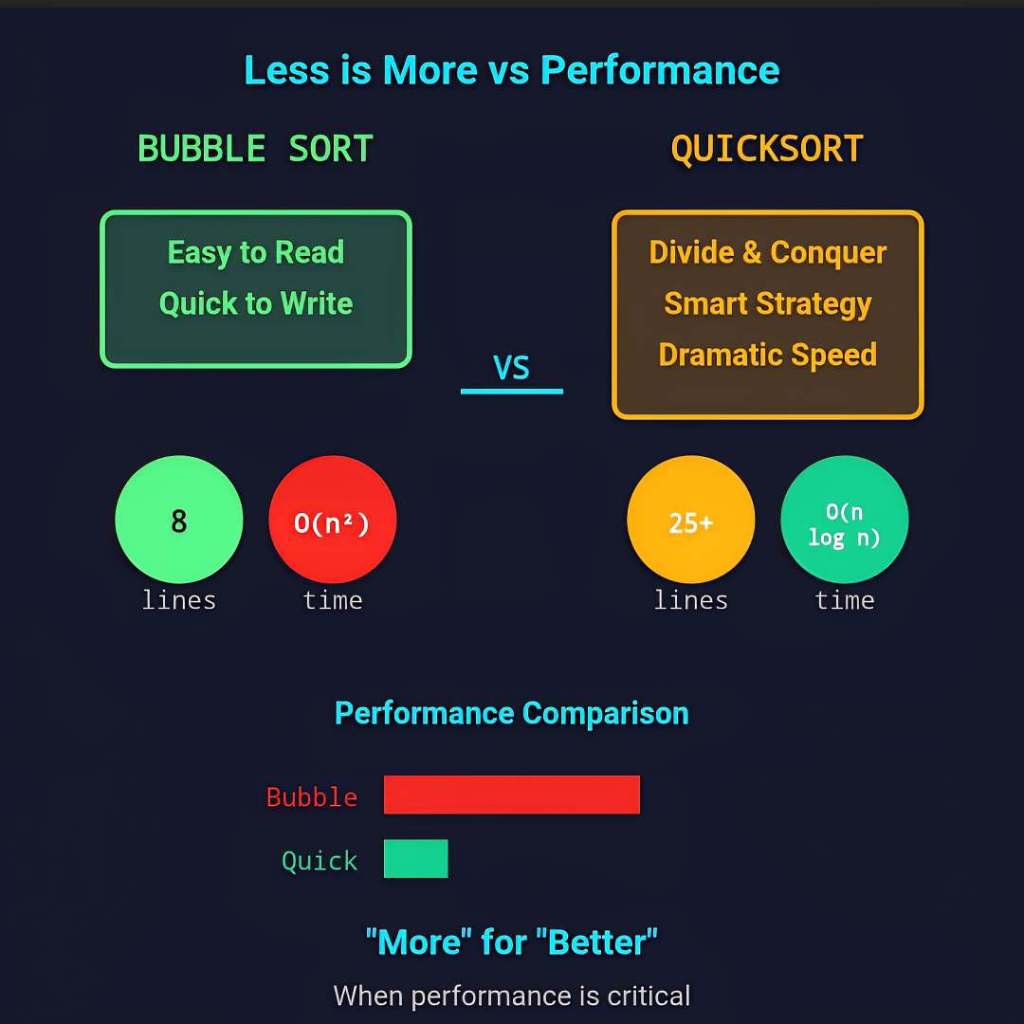
The Paradox of “Less is More” in Software Engineering: When More Code Yields Better Performance
In software engineering, concise code is often preferable, but performance-critical scenarios may require more complex algorithms. This analysis compares Bubble Sort and QuickSort, highlighting how QuickSort’s additional code results in significantly better efficiency. Ultimately, balancing simplicity and performance is vital, depending on the application’s needs and data size.
-

The Value of Reading Other Engineers’ Codebases for Strengthening Software Engineering Skills: A Perspective from an Autistic Software Engineer
The essay discusses the value of examining codebases for autistic software engineers, highlighting its benefits in enhancing technical skills, problem-solving abilities, and collaboration through structured learning. By leveraging strengths like pattern recognition, this approach allows for self-paced exploration, fostering understanding of real-world constraints while promoting empathy and effective communication in teams.
-
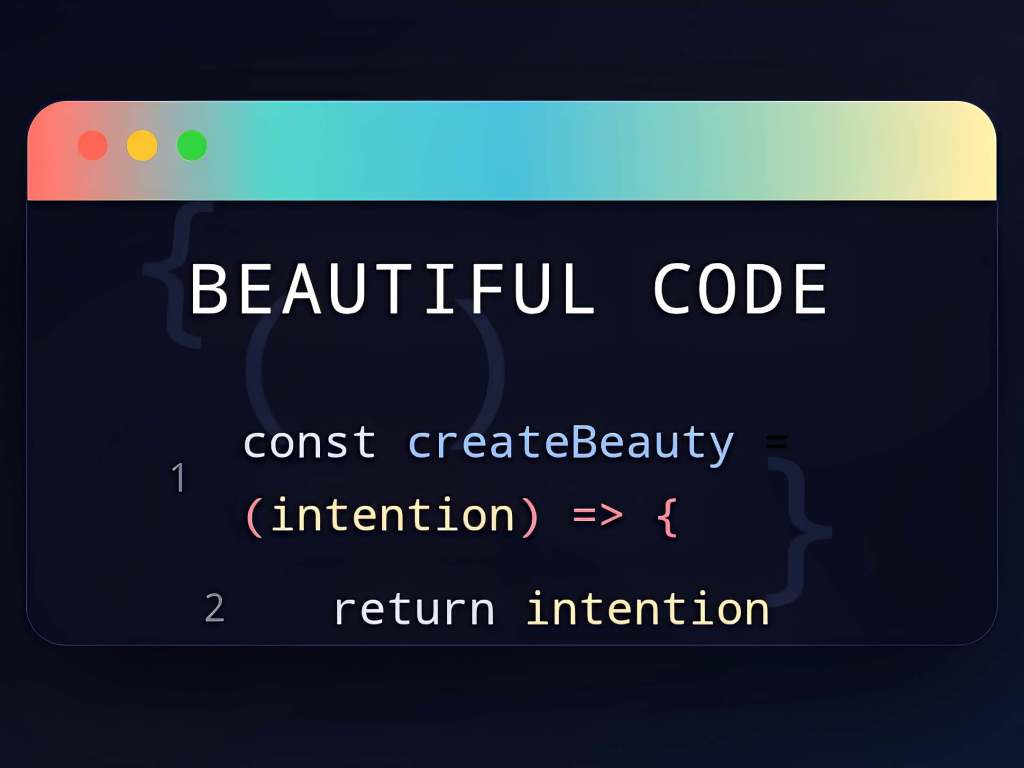
What Beautiful Code Means: An Autistic Software Engineer’s Perspective
The concept of “beautiful code” for an autistic software engineer emphasizes clarity, elegance, maintainability, and efficiency. It promotes cognitive accessibility, enhances collaboration, and offers personal fulfillment. Beautiful code not only serves functional purposes but also creates sensory and emotional harmony, reflecting a deeper connection between logic and creativity in programming.
-
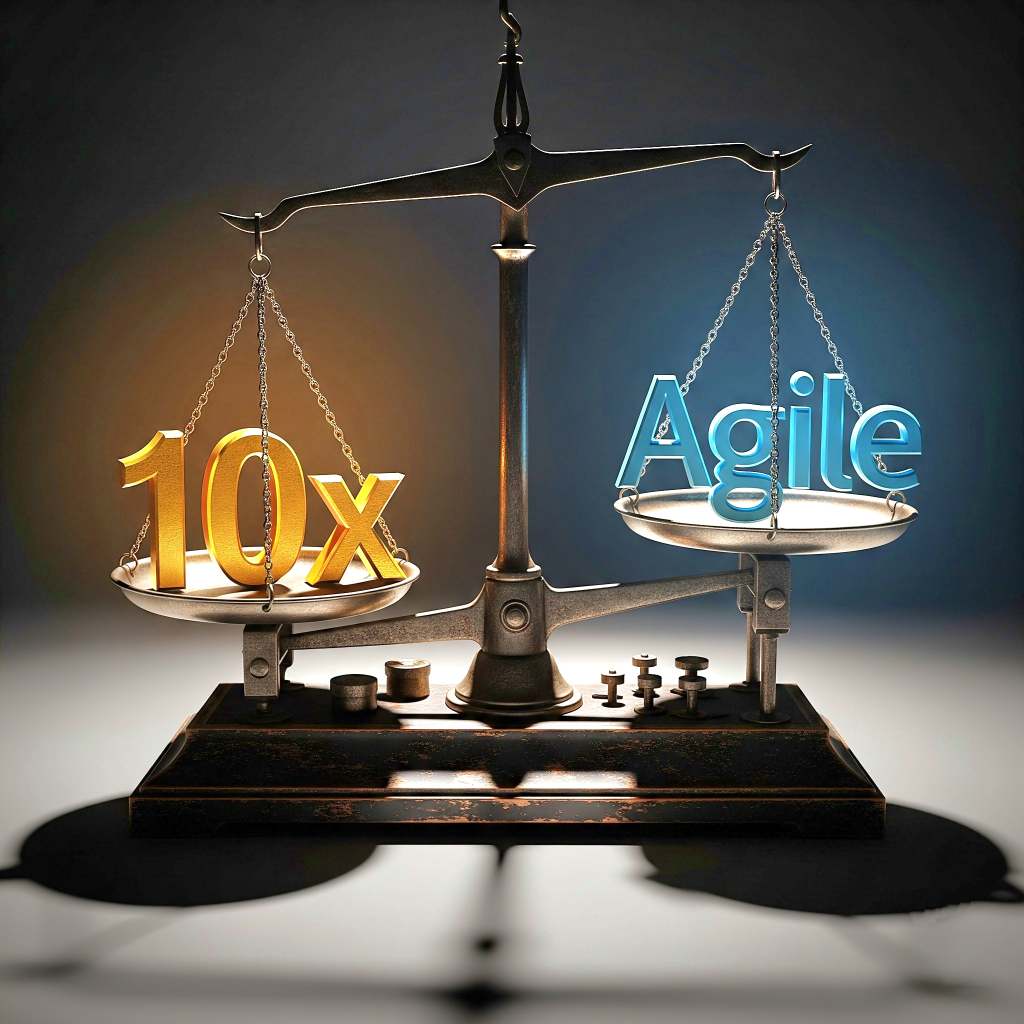
Does Agile Enhance or Hinder the Productivity of Exceptional Software Engineers?
Agile methodologies can both aid and impede the productivity of exceptional software engineers, depending on implementation and organizational context. While Agile’s iterative approach and reduced bureaucracy enable innovation and business alignment, frequent ceremonies and enforced collaboration can disrupt focus and restrict autonomy, requiring thoughtful balance between structure and freedom.
-
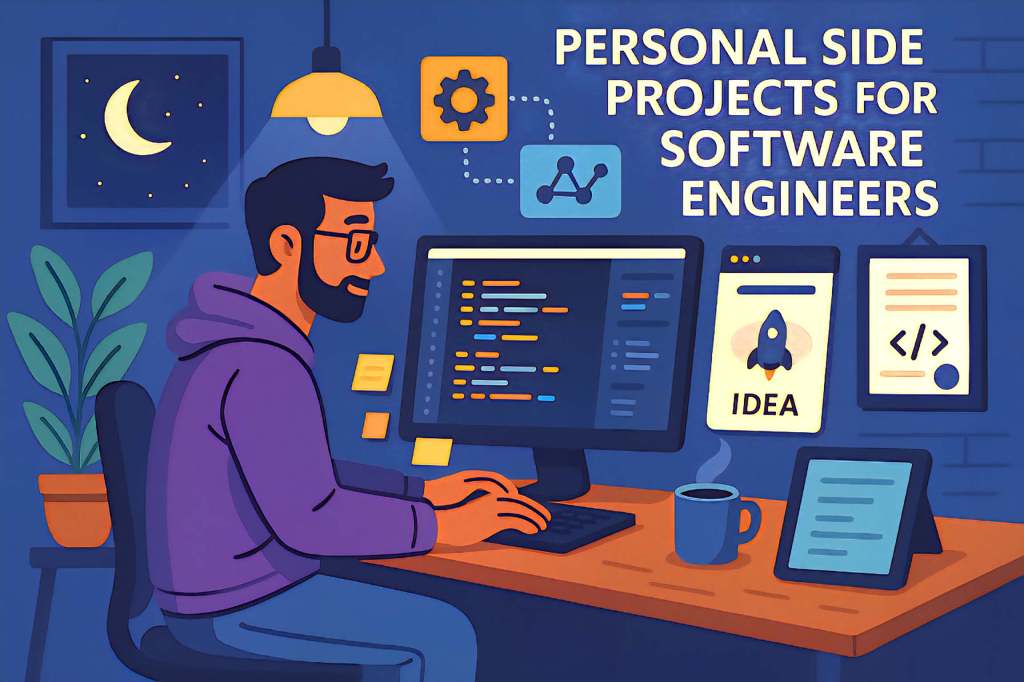
The Importance of Personal Side Projects for Software Engineers: A Refreshing Diversion from Business-Centric Solutions
Personal side projects provide software engineers with an opportunity to engage in creative innovation outside of their core business responsibilities. They facilitate the exploration of new technologies, contribute to the development of professional portfolios, and promote skill enhancement through low-risk experimentation. Pursuing passion-driven initiatives allows engineers to deepen their expertise, strengthen their professional credibility, and…
-
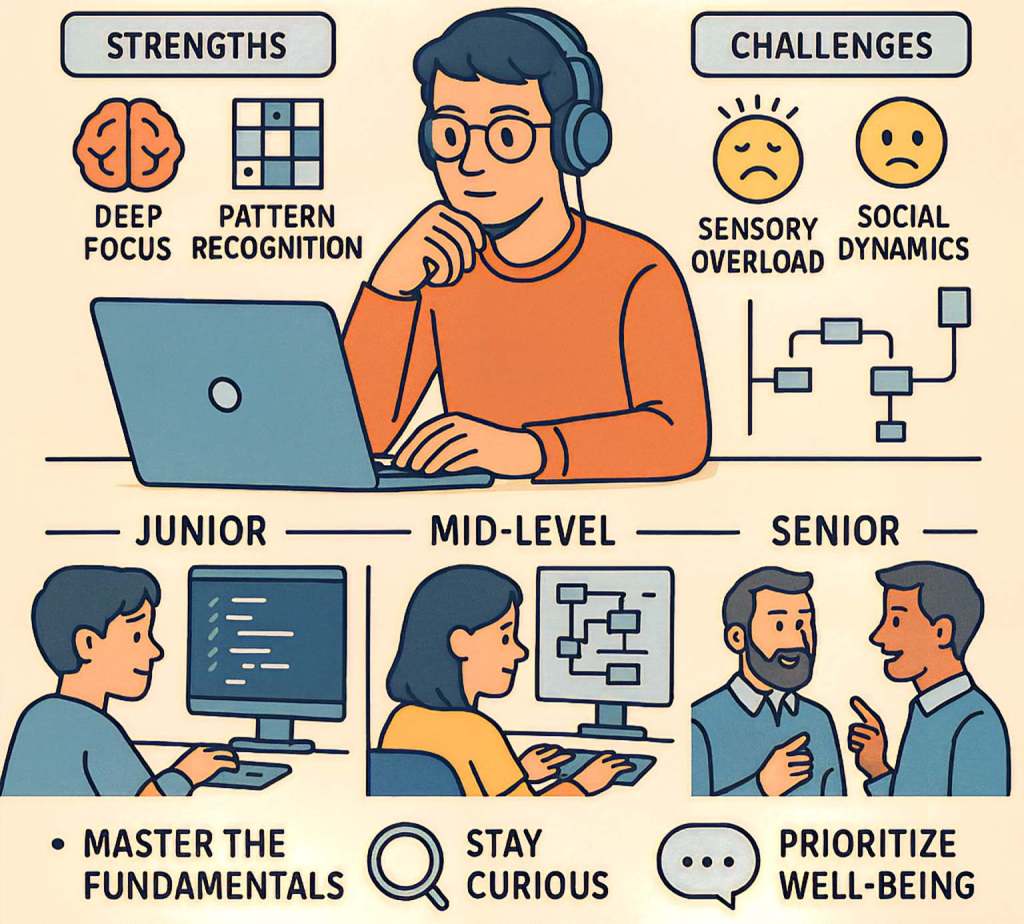
Guidance for Software Engineers: Excelling in a Dynamic and Demanding Field
Achieving success as a software engineer requires a combination of technical proficiency, adaptability, and personal well-being. Utilize strengths such as focus and pattern recognition, while proactively managing challenges like sensory overload. Prioritize clear communication and continue developing foundational skills. Maintain a curious mindset and support the growth of colleagues through mentorship. Embrace your individual talents…
-
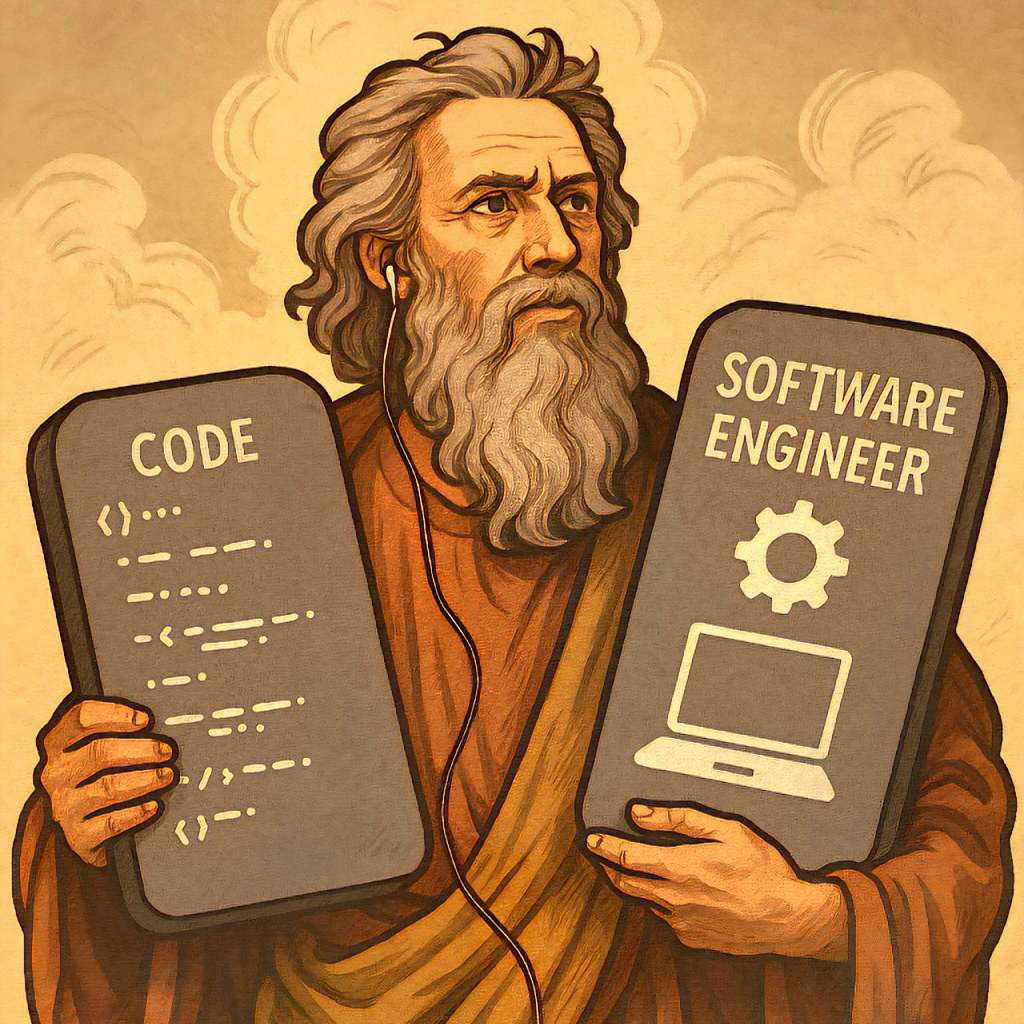
The Software Engineering Commandments
In the arid expanse of Mount Sinai, a Moses-like software engineer descended, robes billowing, clutching two glowing tablets. Each screen displayed sacred code—ten commandments for developers. With a voice of wisdom, he proclaimed, “Code with clarity, for simplicity is divine,” guiding engineers through the wilderness of software complexity.
 Software Engineering on the Spectrum