Month: July 2025
-
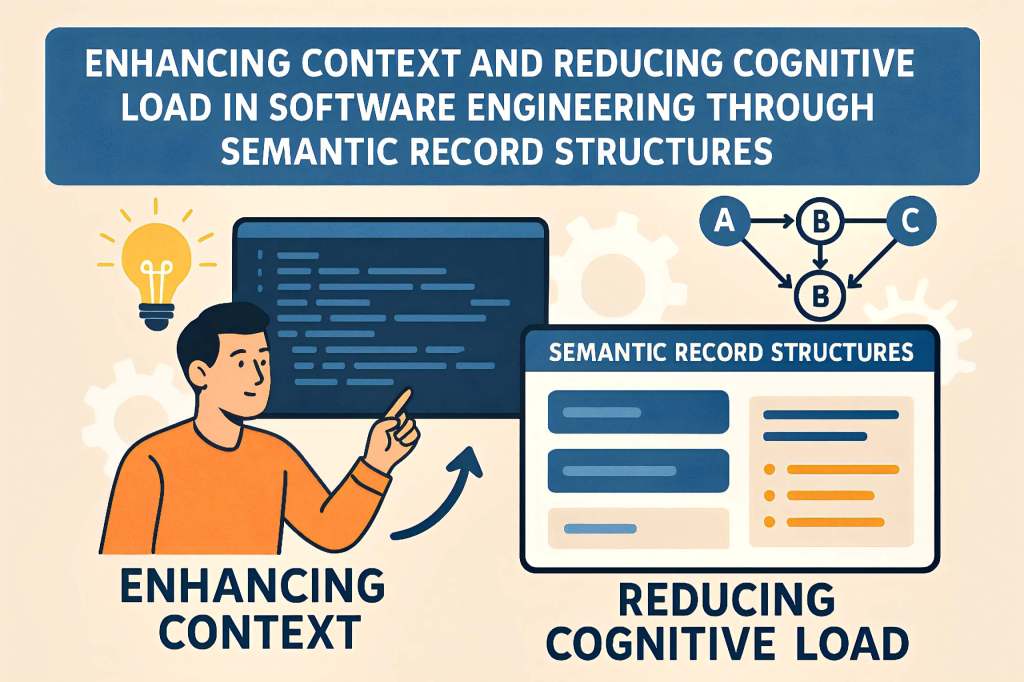
Enhancing Context and Reducing Cognitive Load in Software Engineering Through Semantic Record Structures
This essay emphasizes the importance of clarity and maintainability in software engineering, particularly through the use of semantic records. It demonstrates how encapsulating dictionary keys, like DateTime, within well-defined records (e.g., EffectiveDate) reduces cognitive load, enhances type safety, and aligns code with domain concepts, ultimately improving comprehension and adaptability.
-
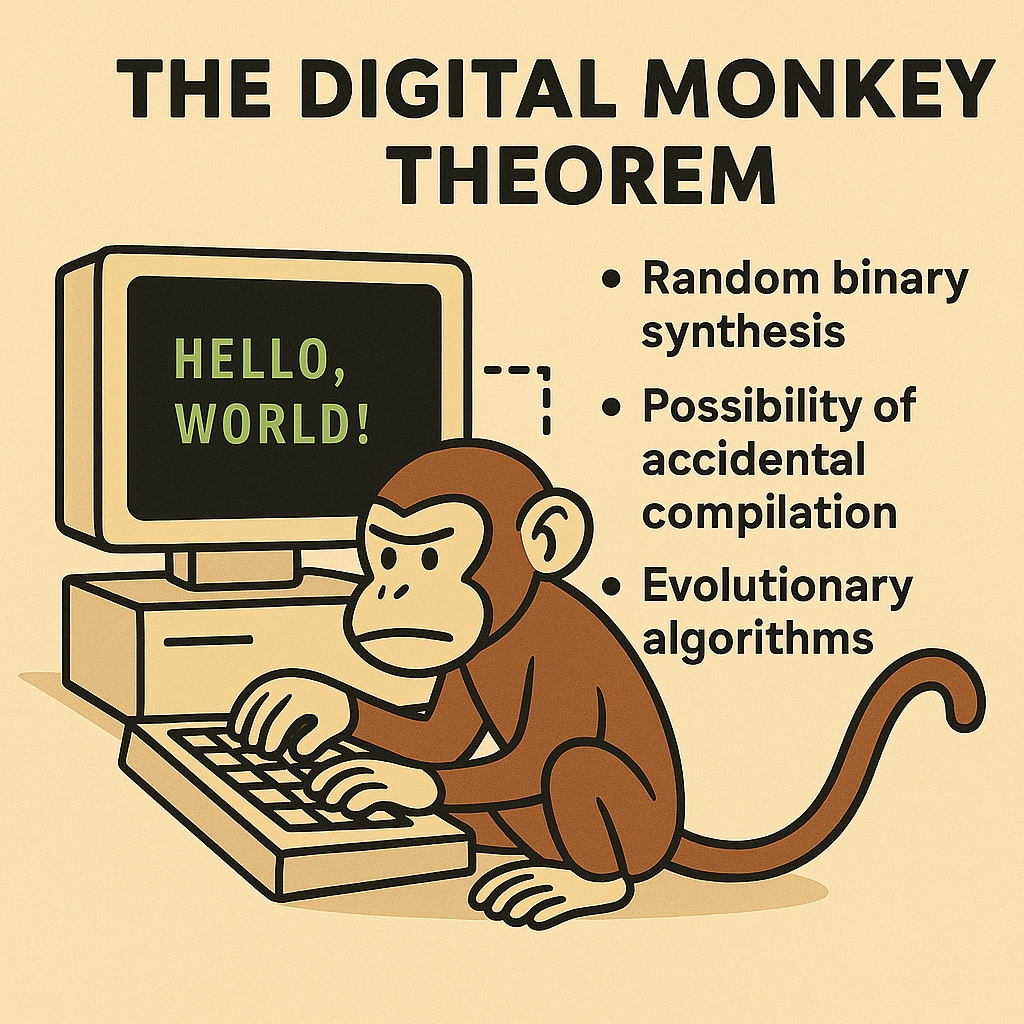
The Digital Monkey Theorem: On the Theoretical Possibility of Randomly Generating a Functional MS-DOS “Hello, World!” Executable
The paper explores the Infinite Monkey Theorem through a computational lens, positing that a program could randomly generate an MS-DOS executable to output “Hello, World!” With infinite time, while probabilities are low, the concepts of randomness, chaos, and software evolution are examined, integrating practical implementations and evolutionary algorithms to navigate this complex exploration.
-

What a 2,500-Year-Old Greek Philosopher Would Recognize in a Modern Software Engineer
The content explores parallels between ancient Greek philosophers like Socrates, Plato, and Aristotle and modern software engineering practices. It highlights the philosophical foundations of problem-solving, logic, and ethics in programming. Tools like C#, Agile methodologies, and ethical dilemmas resonate with the philosophers’ pursuits of truth, beauty, and collaborative inquiry in today’s technology landscape.
-

Cyclomatic Complexity and Cognitive Load Analysis: LINQ vs. Traditional Loops
The analysis explores the relationship between cyclomatic complexity and cognitive load in software engineering through two methods for calculating moving averages. It highlights that lower cyclomatic complexity (LINQ version) can correlate with higher cognitive load, whereas a more traditional approach, despite higher complexity, may be easier for engineers to comprehend and maintain.
-

Advanced LINQ Techniques: Enhancing Modern C# Development Through Declarative Data Processing
Language Integrated Query (LINQ) in C# has evolved to enable declarative programming, allowing developers to manipulate data efficiently. This document highlights advanced LINQ techniques addressing complex problems, such as hierarchical data transformation, parallel processing, and event stream analysis, enhancing code clarity, performance, and maintainability while adapting to evolving software demands.
-
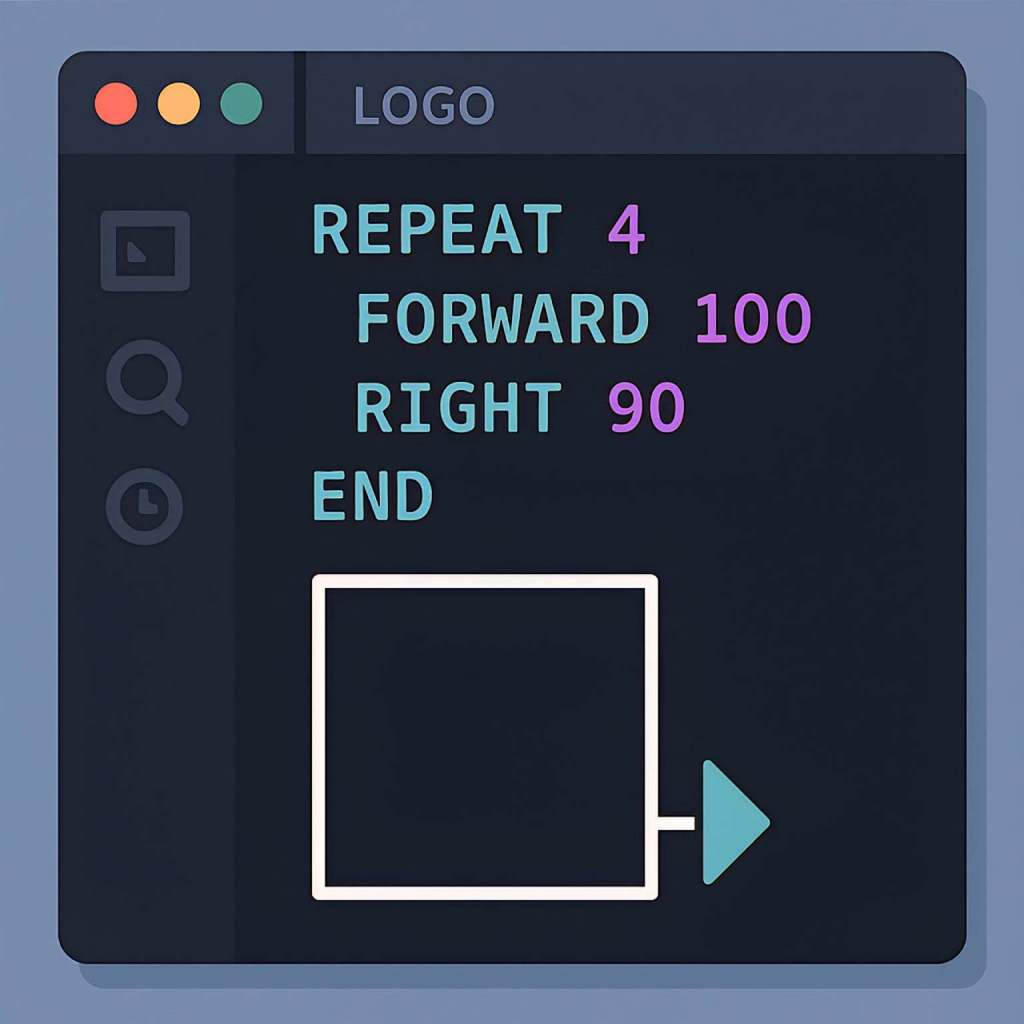
The Enduring Lessons of Logo: Inspiring Modern Software Engineers and Tooling
The Logo programming language, developed in the 1960s, emphasizes simplicity, interactivity, and accessibility in teaching programming concepts. Its principles inspire modern software engineering practices, promoting creativity and problem-solving. Logo’s lasting influence is evident in current programming tools, aiding educators and developers in fostering computational thinking and inclusive design.
 Software Engineering on the Spectrum