Tag: C#
-
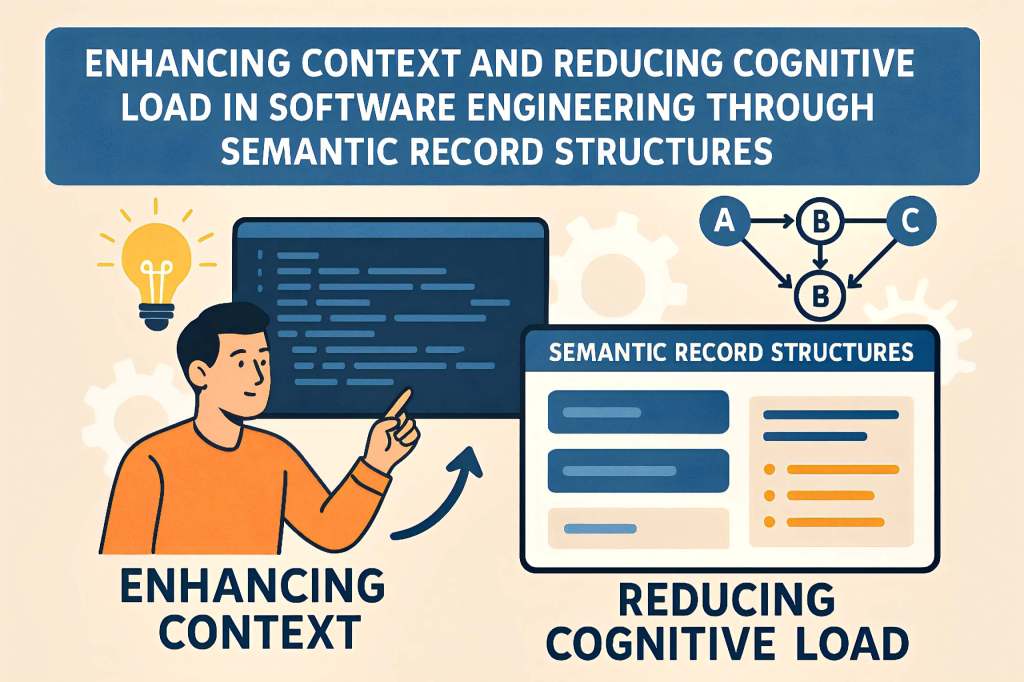
Enhancing Context and Reducing Cognitive Load in Software Engineering Through Semantic Record Structures
This essay emphasizes the importance of clarity and maintainability in software engineering, particularly through the use of semantic records. It demonstrates how encapsulating dictionary keys, like DateTime, within well-defined records (e.g., EffectiveDate) reduces cognitive load, enhances type safety, and aligns code with domain concepts, ultimately improving comprehension and adaptability.
-

What a 2,500-Year-Old Greek Philosopher Would Recognize in a Modern Software Engineer
The content explores parallels between ancient Greek philosophers like Socrates, Plato, and Aristotle and modern software engineering practices. It highlights the philosophical foundations of problem-solving, logic, and ethics in programming. Tools like C#, Agile methodologies, and ethical dilemmas resonate with the philosophers’ pursuits of truth, beauty, and collaborative inquiry in today’s technology landscape.
-

Cyclomatic Complexity and Cognitive Load Analysis: LINQ vs. Traditional Loops
The analysis explores the relationship between cyclomatic complexity and cognitive load in software engineering through two methods for calculating moving averages. It highlights that lower cyclomatic complexity (LINQ version) can correlate with higher cognitive load, whereas a more traditional approach, despite higher complexity, may be easier for engineers to comprehend and maintain.
-

Advanced LINQ Techniques: Enhancing Modern C# Development Through Declarative Data Processing
Language Integrated Query (LINQ) in C# has evolved to enable declarative programming, allowing developers to manipulate data efficiently. This document highlights advanced LINQ techniques addressing complex problems, such as hierarchical data transformation, parallel processing, and event stream analysis, enhancing code clarity, performance, and maintainability while adapting to evolving software demands.
-

Supporting Neurodivergent Software Engineers: Reducing Cognitive Load and Context Switching for Colleagues with Autism Spectrum Disorder (ASD)
Software engineering teams often comprise individuals with various cognitive processing styles, including neurodivergent engineers, such as those with Autism Spectrum Disorder (ASD). Neurodivergent engineers may experience increased sensitivity to cognitive load—the mental effort required to process information, solve problems, and complete tasks—and context switching, which is the mental shift that occurs between tasks or concepts.…
-
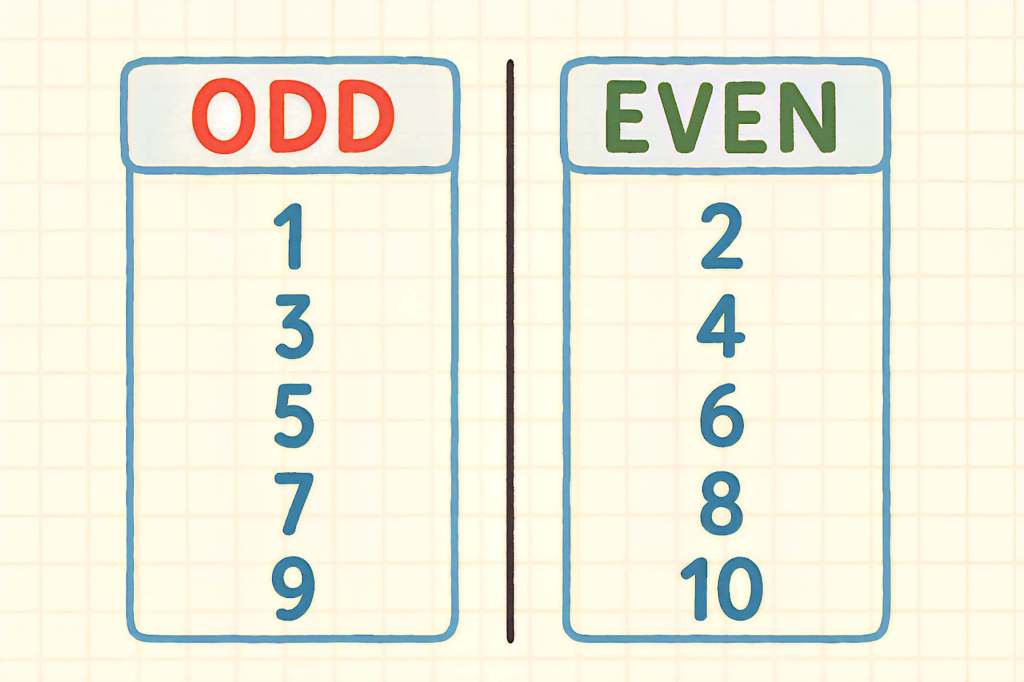
Determining Odd or Even Integers in C# Without Using the Modulo Operator
In C#, determining if an integer is odd or even can be done without the modulo operator. Three methods are explored: bitwise AND (fastest, suitable for performance), division and multiplication (most readable), and bitwise shift (less intuitive). Each method has advantages and disadvantages, influencing choice based on performance, readability, or complexity.
-

The Origins of Strongly Typed Programming Languages and Their Impact on Software Engineering
The evolution of strongly typed programming languages has transformed software engineering, emphasizing type safety and compile-time error detection. Originating from ALGOL, Pascal, and ML, these languages enhance reliability and maintainability in software. Their influence extends to advanced type systems and tools, shaping contemporary development practices and addressing increasing software complexity.
-
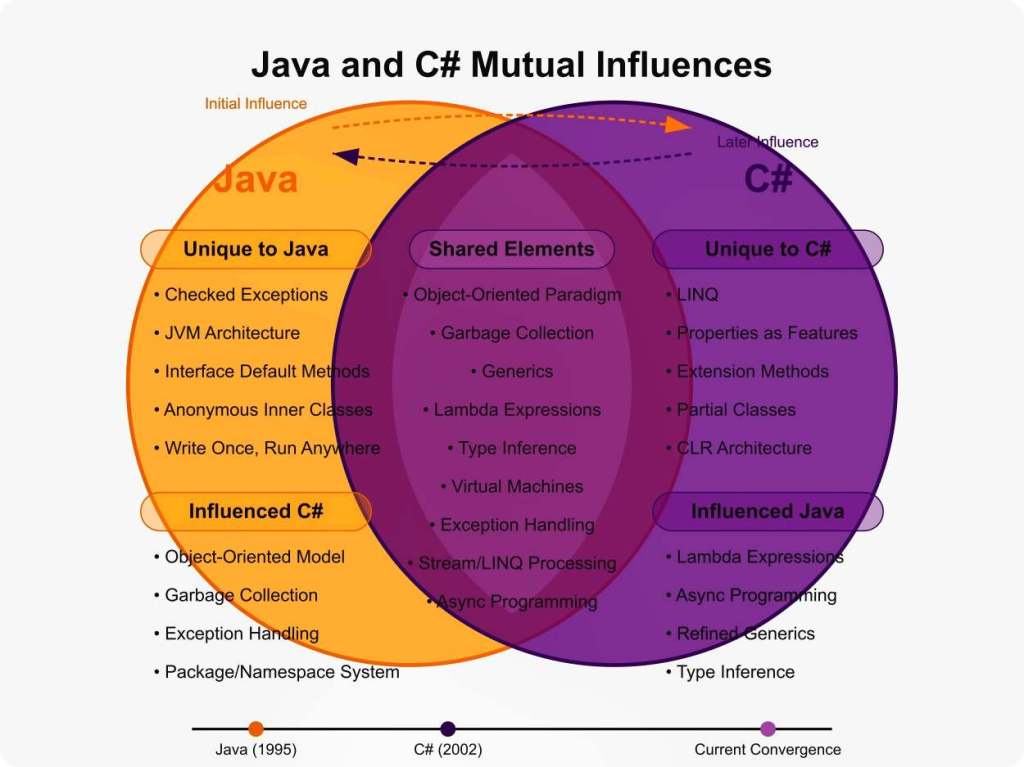
Technical Comparison of Java and C#: Mutual Influences
Java and C# are influential programming languages that have shaped each other through reciprocal borrowing of features and design principles. This document explores their evolution, technical traits, and parallel advancements, highlighting how concepts like object-oriented programming, generics, and functional programming have developed and converged, benefiting developers across both ecosystems.
 Software Engineering on the Spectrum