Tag: coding
-
What Beautiful Code Means: An Autistic Software Engineer’s Perspective
The concept of “beautiful code” for an autistic software engineer emphasizes clarity, elegance, maintainability, and efficiency. It promotes cognitive accessibility, enhances collaboration, and offers personal fulfillment. Beautiful code not only serves functional purposes but also creates sensory and emotional harmony, reflecting a deeper connection between logic and creativity in programming.
-
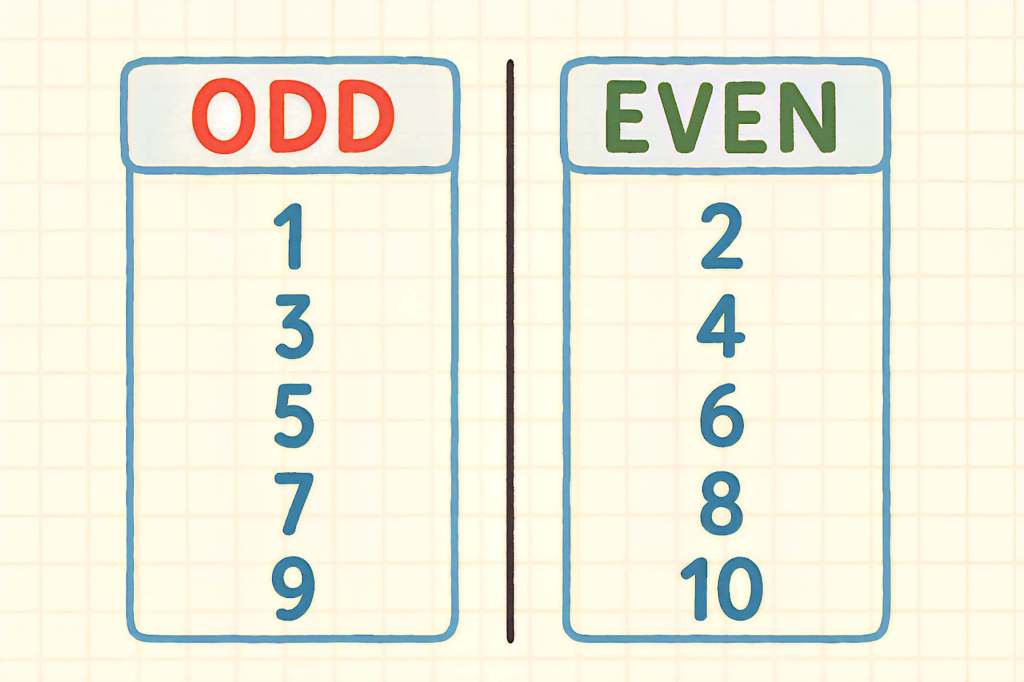
Determining Odd or Even Integers in C# Without Using the Modulo Operator
In C#, determining if an integer is odd or even can be done without the modulo operator. Three methods are explored: bitwise AND (fastest, suitable for performance), division and multiplication (most readable), and bitwise shift (less intuitive). Each method has advantages and disadvantages, influencing choice based on performance, readability, or complexity.
-

Building Consistency in Software Engineering: A Journey of Deliberate Practice
Achieving engineering excellence requires consistent efforts over sporadic actions. Software engineers can improve through daily rituals, automated code checks, and structured learning. Time management techniques, commitment to code quality, and engaging with technical communities further enhance professional growth. Ultimately, consistent practices lead to sustainable success and ongoing progress in engineering careers.
-
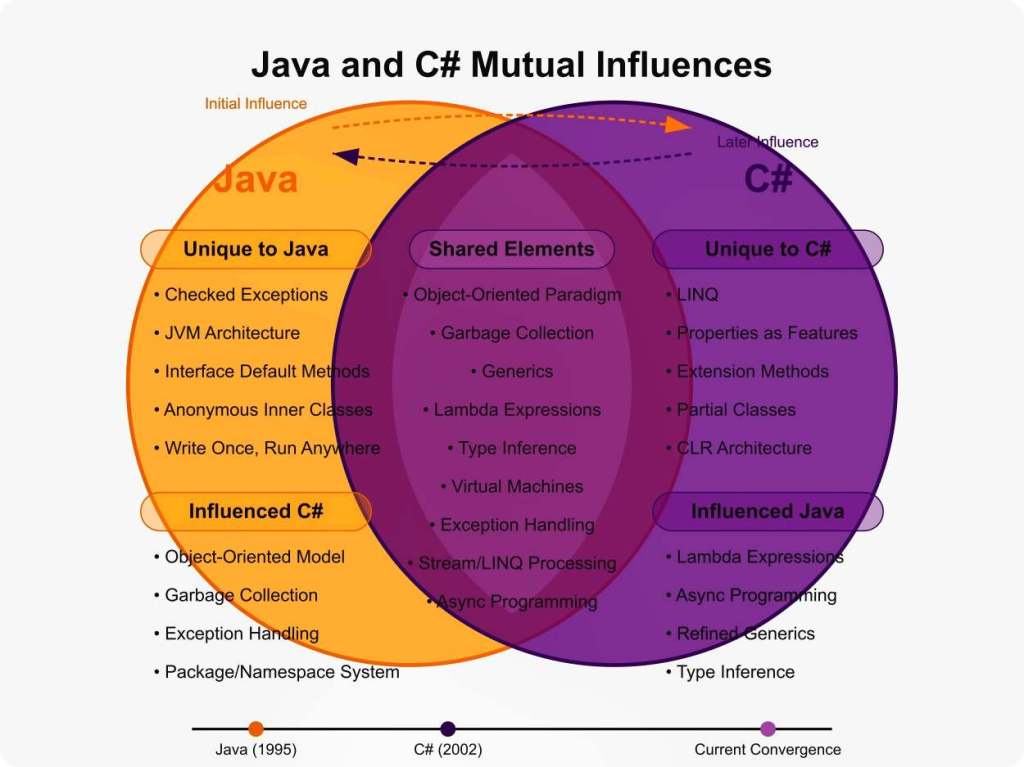
Technical Comparison of Java and C#: Mutual Influences
Java and C# are influential programming languages that have shaped each other through reciprocal borrowing of features and design principles. This document explores their evolution, technical traits, and parallel advancements, highlighting how concepts like object-oriented programming, generics, and functional programming have developed and converged, benefiting developers across both ecosystems.
-

The Quick Sort Algorithm: A Significant Contribution to Computing
In the field of computer science, few algorithms have had as significant an impact on computational thinking as Quick Sort. Developed by British computer scientist Tony Hoare in 1959, this innovative algorithm emerged during a crucial period in computing history when the importance of computational efficiency was becoming increasingly recognized. Quick Sort is not merely…
-

Randomizing Lists in C# Using Dictionary and GUID Approach
The article explores an approach for randomizing lists in C# using a GUID-Dictionary method. This technique involves pairing each list item with a unique GUID, sorting the dictionary, and extracting a randomized list. While performance may vary against alternatives like Fisher-Yates, it ensures high randomness quality, simplicity, and type safety.
-

Sand Castles in Silicon: A Software Engineer’s Meditation
Where logic meets artistry, software engineers craft digital architectures that mirror the imaginative process of building sand castles by the sea. This essay explores the surprising parallels between writing code and sculpting sand, revealing how the mindset of a child at play shapes the serious work of modern technology creation.
-

Why Strings Are Immutable While Integers Are Not: An Explanation with C# Examples
Immutability is crucial in software engineering, particularly in C#. Strings are immutable, meaning once created, their state cannot change, enhancing thread safety, security, and performance. Conversely, integers are mutable as value types, allowing easy value reassignment. Developers must understand these differences to optimize code efficiency and reliability, using tools like StringBuilder when necessary.
-

The Art of Names and Patterns: How Two Fundamental Skills Shape Engineering Excellence
Phil Karlton highlighted cache invalidation and naming concerns as significant challenges in computer science. Effective naming enhances clarity and reduces cognitive load, aiding maintainability in code. Regular expressions facilitate pattern recognition and manipulation. Mastering both skills creates a feedback loop that improves documentation, testing, and system design, elevating overall code quality.
 Software Engineering on the Spectrum