Tag: software
-
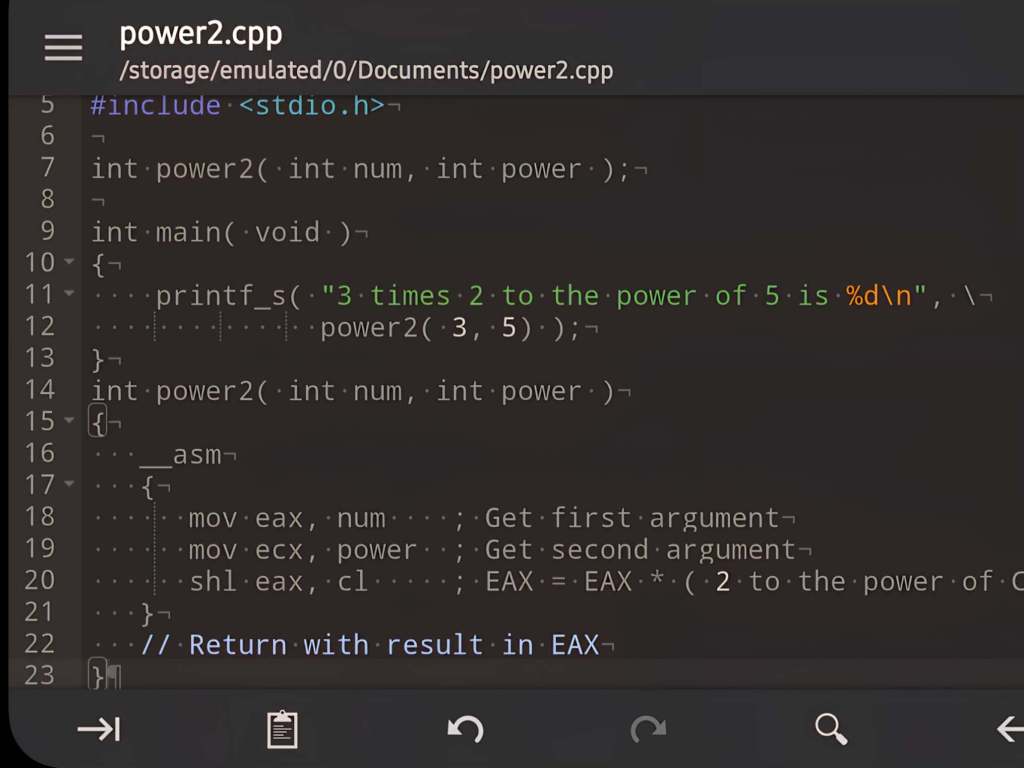
Software Compilers with Integrated Assembly Support: A Comprehensive Overview
Software compilers convert high-level programming languages into machine code, with integrated assembly enhancing developer control over hardware. This feature enables blending low-level efficiency with high-level productivity. The document reviews compiler history, mechanisms, application cases, and examples, emphasizing its significance in system programming, embedded systems, and performance optimization.
-

Null Values in Programming Languages: Concepts, History, Initial Languages, Pros, Cons, and Modern Impact
Null values are essential in programming, indicating the absence of valid data. While simplifying tasks like memory management, they can lead to significant errors, termed the “billion-dollar mistake” by Tony Hoare. This analysis explores null’s origins, advantages, disadvantages, and influence on modern programming practices, highlighting the shift towards safer coding paradigms.
-

The Role of Compilers, Interpreters, and JIT Environments in Software Engineering and Programming Language Theory
Compilers, interpreters, and JIT environments are crucial in software development, connecting human-readable code to machine execution. Compilers translate code ahead-of-time, interpreters execute it line-by-line for immediacy, and JIT compiles during runtime for optimization. Each tool influences performance, development speed, and adaptability, shaping programming language theory and software engineering practices.
 Software Engineering on the Spectrum