Tag: software engineering
-

Software Compilers with Integrated Assembly Support: A Comprehensive Overview
Software compilers convert high-level programming languages into machine code, with integrated assembly enhancing developer control over hardware. This feature enables blending low-level efficiency with high-level productivity. The document reviews compiler history, mechanisms, application cases, and examples, emphasizing its significance in system programming, embedded systems, and performance optimization.
-
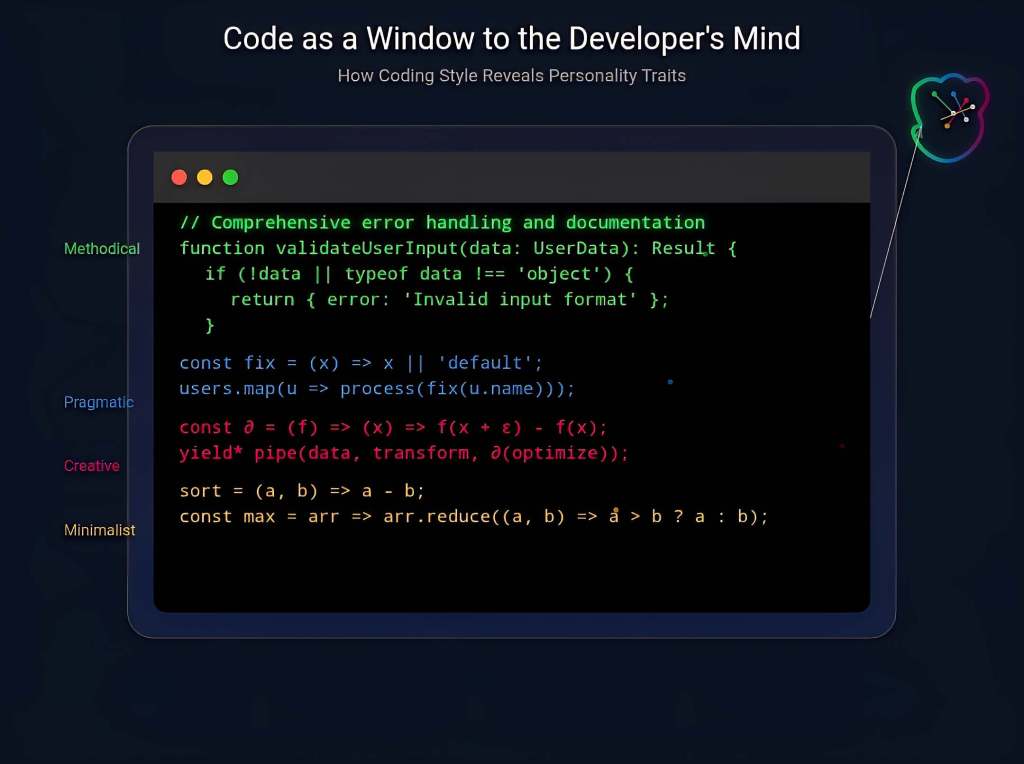
Decoding the Developer: What Coding Style Reveals About a Software Engineer’s Personality
The coding style of software engineers reflects their personality traits, offering insights into their psychological characteristics. Different styles, such as methodical, pragmatic, innovative, collaborative, competitive, defensive, and minimalist, highlight various attributes. Understanding these connections can enhance team dynamics, hiring practices, and individual growth, ultimately fostering a more effective software development environment.
-

Building Consistency in Software Engineering: A Journey of Deliberate Practice
Achieving engineering excellence requires consistent efforts over sporadic actions. Software engineers can improve through daily rituals, automated code checks, and structured learning. Time management techniques, commitment to code quality, and engaging with technical communities further enhance professional growth. Ultimately, consistent practices lead to sustainable success and ongoing progress in engineering careers.
-
The Evolution of Software Engineering: A Study in Cyclical Innovations
Software engineering experiences continual transformation, revealing that many innovations are reimaginings of past concepts. Current trends in distributed computing, programming paradigms, and development methodologies echo historical practices. Each technological cycle promotes refinement, better addressing previous limitations while providing new insights. Understanding this cyclical nature enhances system development and innovation appreciation.
-

Agile Methodologies: Success Factors and Challenges in Software Engineering
Agile methodologies have transformed software development, emphasizing collaboration, adaptability, and continuous improvement. Key benefits include iterative development, CI/CD practices, and enhanced communication. However, challenges like focus on sprint velocity, excessive meetings, and misinterpretation of flexibility can lead to burnout and scope creep. A balanced, context-specific implementation is essential for success.
-

Mentoring Soft Skills in Software Engineering: A Comprehensive Guide
Success in software engineering requires more than technical skills; strong soft skills are crucial. Mentors should nurture problem-solving, communication, collaboration, adaptability, and critical thinking. They must guide mentees through real-world scenarios, promote effective dialogue, foster teamwork, encourage continuous learning, and provide constructive feedback, ensuring well-rounded professionals are prepared for industry challenges.
-

Writing a Self-Review: A Software Engineer’s Perspective
The annual self-review for software engineers offers a chance for professional reflection and growth, contrasting with their usual focus on team accomplishments. It fosters meaningful self-evaluation amidst fast-paced work environments. Although self-promotion feels uncomfortable, it is essential. Proper documentation transforms self-reviews into beneficial tools for career alignment and personal branding.
-

Contextual Load in Source Code: A Comprehensive Analysis
In the complex field of software development, contextual load signifies the cognitive burden developers face while working with intricate source code. This article examines contextual load’s dimensions—dependency complexity, cognitive distance, conceptual density, and knowledge domain—along with measurement techniques and strategies for minimizing cognitive overhead to enhance developer productivity and system maintainability.
-
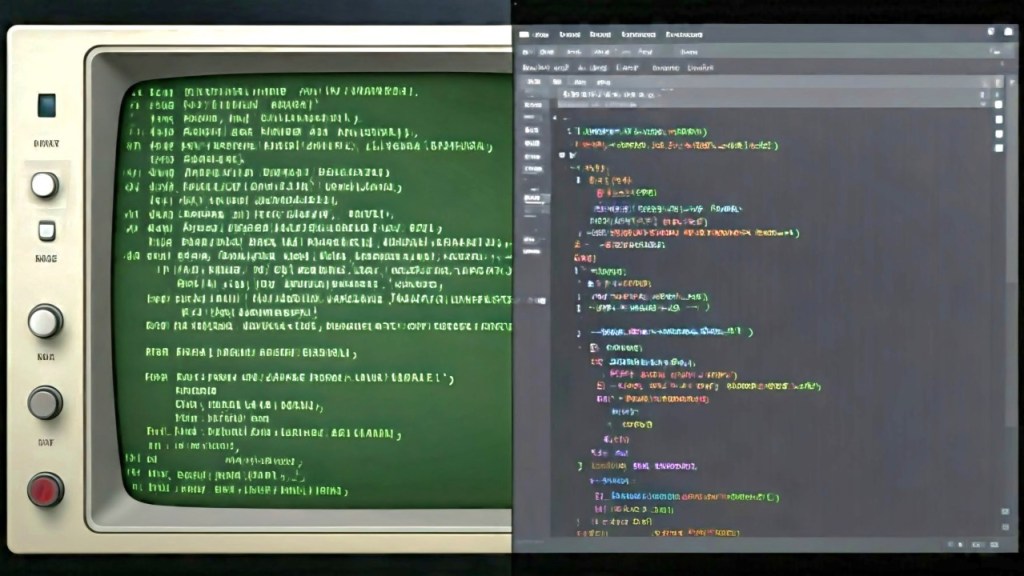
Programming Retro Computers: Insights into Computational Fundamentals
Exploring retro computing provides modern software engineers with essential educational experiences that enhance their understanding of software design, problem-solving, and computational thinking. By navigating the constraints of early computers, developers learn resource optimization, engage with low-level architecture, and cultivate creativity. These historical insights foster continuous learning and reaffirm foundational principles applicable across technology.
-

The Origins of Strongly Typed Programming Languages and Their Impact on Software Engineering
The evolution of strongly typed programming languages has transformed software engineering, emphasizing type safety and compile-time error detection. Originating from ALGOL, Pascal, and ML, these languages enhance reliability and maintainability in software. Their influence extends to advanced type systems and tools, shaping contemporary development practices and addressing increasing software complexity.
 Software Engineering on the Spectrum