Tag: Software Enginerring
-

Advanced LINQ Techniques: Enhancing Modern C# Development Through Declarative Data Processing
Language Integrated Query (LINQ) in C# has evolved to enable declarative programming, allowing developers to manipulate data efficiently. This document highlights advanced LINQ techniques addressing complex problems, such as hierarchical data transformation, parallel processing, and event stream analysis, enhancing code clarity, performance, and maintainability while adapting to evolving software demands.
-
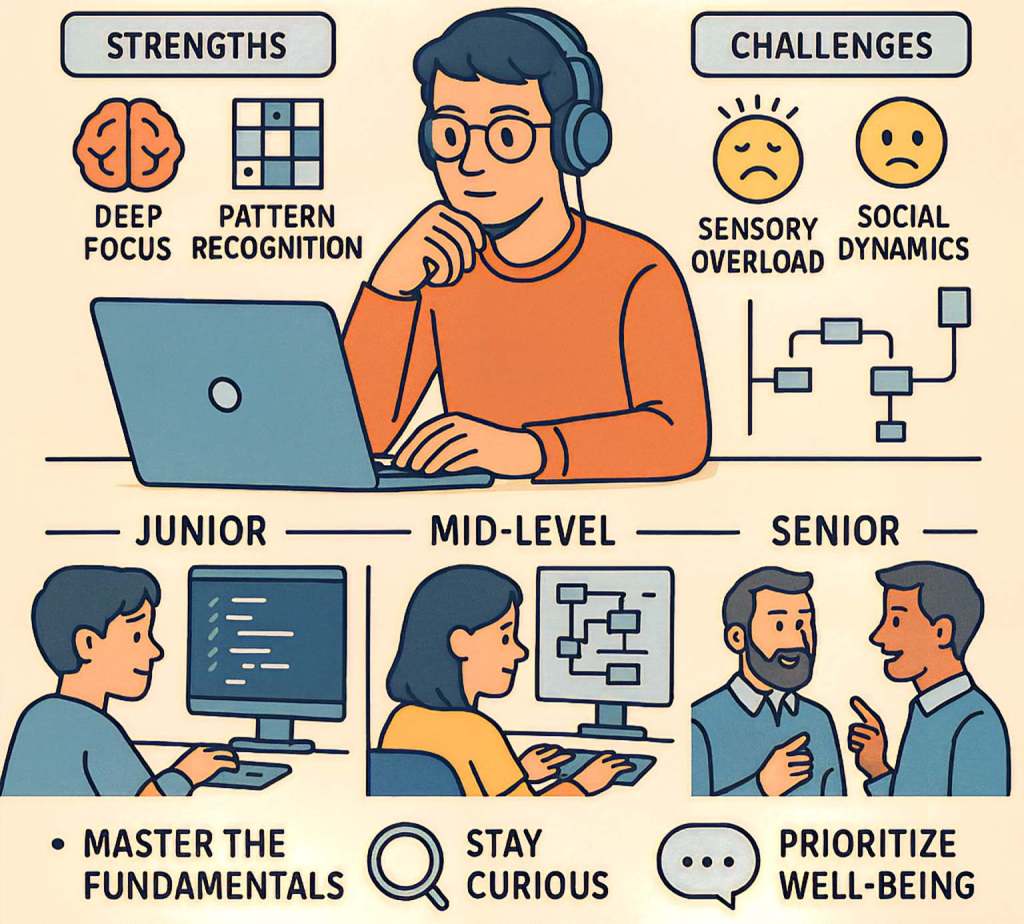
Guidance for Software Engineers: Excelling in a Dynamic and Demanding Field
Achieving success as a software engineer requires a combination of technical proficiency, adaptability, and personal well-being. Utilize strengths such as focus and pattern recognition, while proactively managing challenges like sensory overload. Prioritize clear communication and continue developing foundational skills. Maintain a curious mindset and support the growth of colleagues through mentorship. Embrace your individual talents…
-
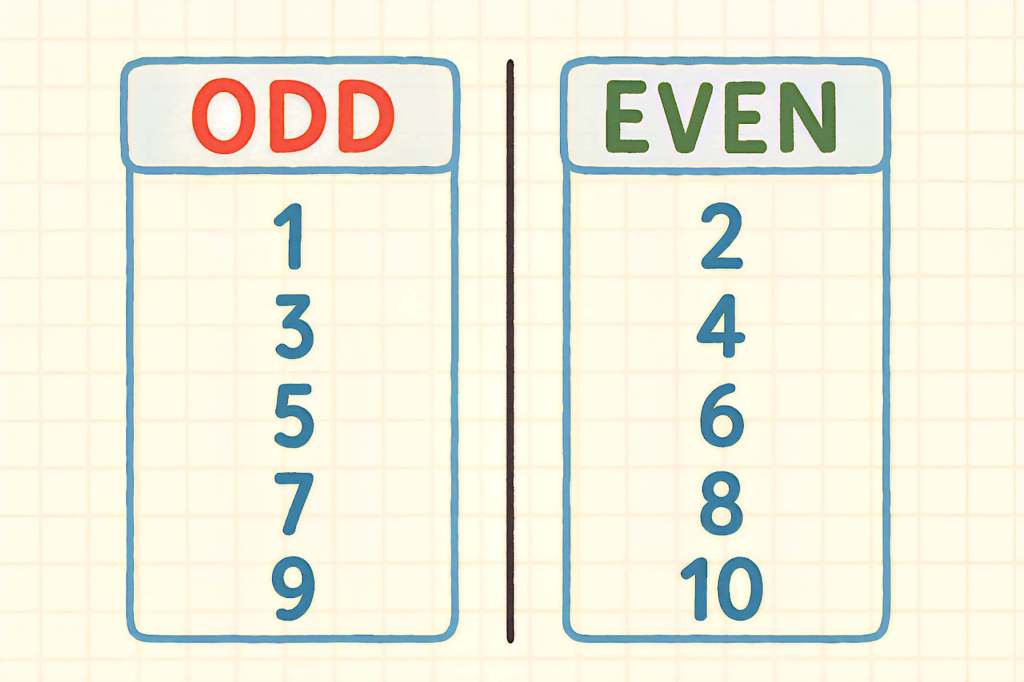
Determining Odd or Even Integers in C# Without Using the Modulo Operator
In C#, determining if an integer is odd or even can be done without the modulo operator. Three methods are explored: bitwise AND (fastest, suitable for performance), division and multiplication (most readable), and bitwise shift (less intuitive). Each method has advantages and disadvantages, influencing choice based on performance, readability, or complexity.
-

The Role of Compilers, Interpreters, and JIT Environments in Software Engineering and Programming Language Theory
Compilers, interpreters, and JIT environments are crucial in software development, connecting human-readable code to machine execution. Compilers translate code ahead-of-time, interpreters execute it line-by-line for immediacy, and JIT compiles during runtime for optimization. Each tool influences performance, development speed, and adaptability, shaping programming language theory and software engineering practices.
 Software Engineering on the Spectrum