Tag: TechHistory
-

The Hacker Ethic and Its Influence on Generation X Software Engineers
We owe a considerable debt of gratitude to the innovators of the late 20th century, particularly the Generation X cohort who matured alongside the rise of personal computing. This essay explores the significant and enduring impact of the “hacker ethic”—a set of principles that prioritize open access, information sharing, and an unwavering quest for knowledge—on…
-

Conway’s Game of Life: From Mathematical Curiosity to Software Engineering Paradigm
In 1970, John Horton Conway introduced the Game of Life, a cellular automaton exhibiting complex behaviors from simple rules. The game significantly influenced software engineering by exemplifying declarative programming, emergence, and parallel processing. Its cultural impact spans multiple disciplines, continuing to inspire exploration and innovation in computing decades later.
-

The Evolution of Search Algorithms: From Text to Tomorrow
Search algorithms have evolved significantly from simple brute-force methods to advanced systems capable of efficient information retrieval. Key milestones include the Knuth-Morris-Pratt and Boyer-Moore algorithms, tree-based structures like B-trees, and modern innovations such as locality-sensitive hashing and embedding-based retrieval. The future holds promise for personalized, multimodal, and privacy-preserving search technologies.
-

The Homebrew Computer Club: Catalyst for a Generation of Software Engineers
The Homebrew Computer Club, founded in 1975, catalyzed a technological revolution by fostering innovation among early computer enthusiasts. It influenced Generation X, making technology accessible and inspiring software pioneers like Steve Jobs and Bill Gates. Its legacy of meritocracy and creativity continues to thrive in today’s tech culture, shaping future generations.
-

Lessons from the Copy Protection Arms Race of the 1980s
With personal computers becoming accessible in homes, software publishers and digital pirates entered into an escalating competition characterized by innovative copy protection techniques and creative circumvention strategies. This often-overlooked period in computing history offers valuable lessons for contemporary software engineers, covering areas such as security architecture and user experience design. By analyzing how developers safeguarded…
-

The History of the DynaBook: Its Origins and Innovations
The DynaBook, envisioned by Alan Kay in the early 1970s, represents a significant milestone in the development of personal computing. This groundbreaking concept laid the foundation for contemporary laptops and tablets, underscoring the impact of innovative thinking and perseverance in technological advancement. As we reflect on its transition from a theoretical model to the devices…
-
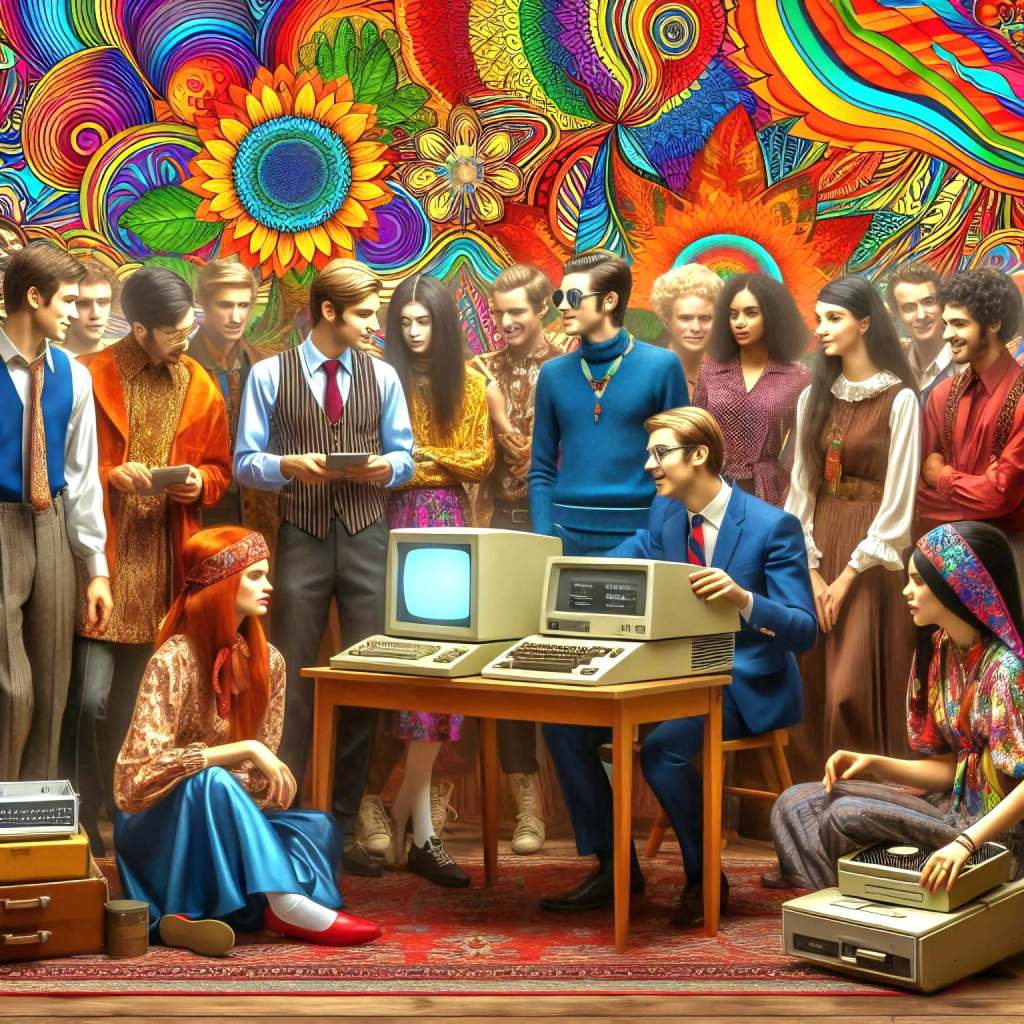
The Counter-Cultural Roots of Modern Computing: How 1960s Idealism Shaped Today’s Digital World
The current technological revolution can be traced back to some unexpected origins, specifically the counterculture movement of the 1960s. Notably, figures such as Steve Jobs drew inspiration from the Whole Earth Catalog, and the ideals of community found within the open-source movement have their roots in this era. This essay examines how the values of…
-
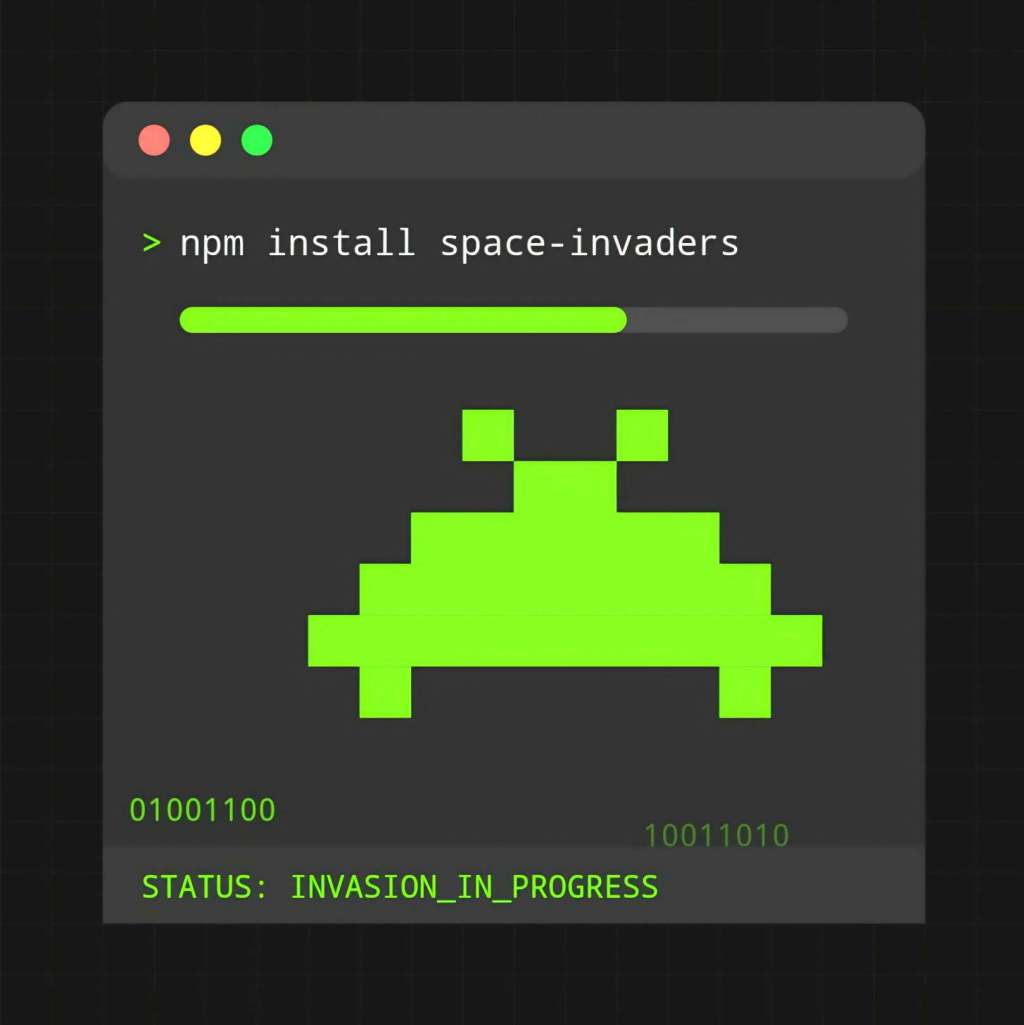
What Space Invaders Can Teach Modern Software Engineers
In the late 1970s, Space Invaders emerged as a pioneering video game, engaging players with its straightforward yet compelling gameplay. Developed during a time of significant hardware constraints, it became a cultural phenomenon and established essential foundations for the gaming industry. Even decades later, this classic game continues to impart valuable lessons for contemporary software…
 Software Engineering on the Spectrum