Tag: technology
-

Cyclomatic Complexity and Cognitive Load Analysis: LINQ vs. Traditional Loops
The analysis explores the relationship between cyclomatic complexity and cognitive load in software engineering through two methods for calculating moving averages. It highlights that lower cyclomatic complexity (LINQ version) can correlate with higher cognitive load, whereas a more traditional approach, despite higher complexity, may be easier for engineers to comprehend and maintain.
-

Advanced LINQ Techniques: Enhancing Modern C# Development Through Declarative Data Processing
Language Integrated Query (LINQ) in C# has evolved to enable declarative programming, allowing developers to manipulate data efficiently. This document highlights advanced LINQ techniques addressing complex problems, such as hierarchical data transformation, parallel processing, and event stream analysis, enhancing code clarity, performance, and maintainability while adapting to evolving software demands.
-
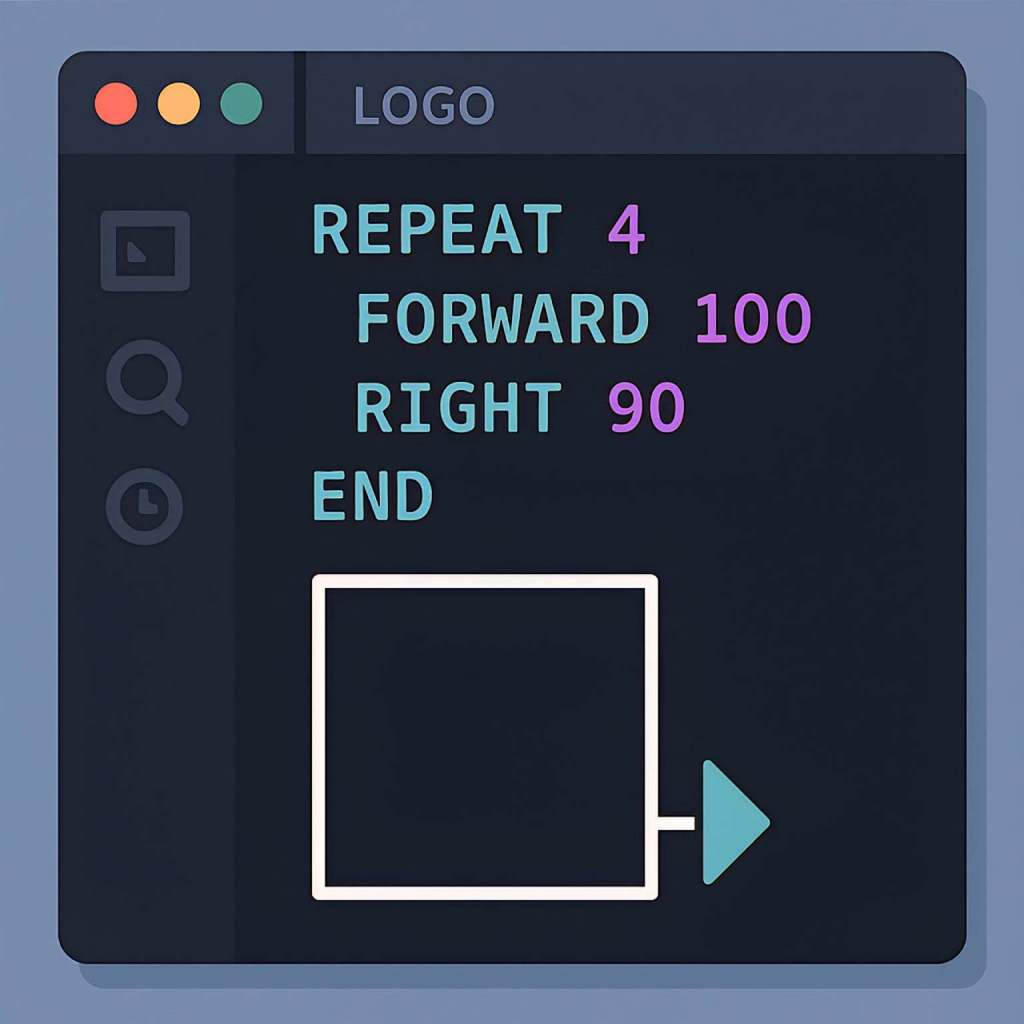
The Enduring Lessons of Logo: Inspiring Modern Software Engineers and Tooling
The Logo programming language, developed in the 1960s, emphasizes simplicity, interactivity, and accessibility in teaching programming concepts. Its principles inspire modern software engineering practices, promoting creativity and problem-solving. Logo’s lasting influence is evident in current programming tools, aiding educators and developers in fostering computational thinking and inclusive design.
-

Supporting Neurodivergent Software Engineers: Reducing Cognitive Load and Context Switching for Colleagues with Autism Spectrum Disorder (ASD)
Software engineering teams often comprise individuals with various cognitive processing styles, including neurodivergent engineers, such as those with Autism Spectrum Disorder (ASD). Neurodivergent engineers may experience increased sensitivity to cognitive load—the mental effort required to process information, solve problems, and complete tasks—and context switching, which is the mental shift that occurs between tasks or concepts.…
-
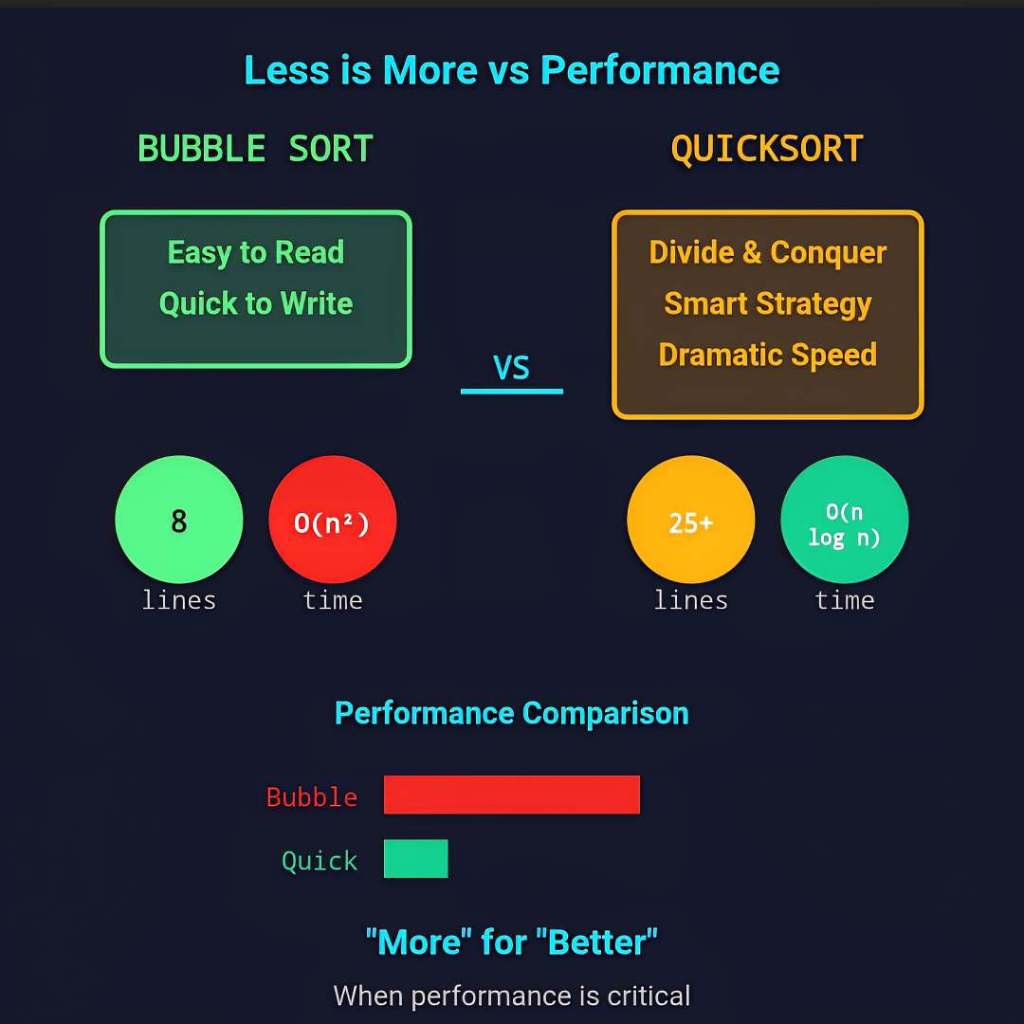
The Paradox of “Less is More” in Software Engineering: When More Code Yields Better Performance
In software engineering, concise code is often preferable, but performance-critical scenarios may require more complex algorithms. This analysis compares Bubble Sort and QuickSort, highlighting how QuickSort’s additional code results in significantly better efficiency. Ultimately, balancing simplicity and performance is vital, depending on the application’s needs and data size.
-

The Value of Reading Other Engineers’ Codebases for Strengthening Software Engineering Skills: A Perspective from an Autistic Software Engineer
The essay discusses the value of examining codebases for autistic software engineers, highlighting its benefits in enhancing technical skills, problem-solving abilities, and collaboration through structured learning. By leveraging strengths like pattern recognition, this approach allows for self-paced exploration, fostering understanding of real-world constraints while promoting empathy and effective communication in teams.
-
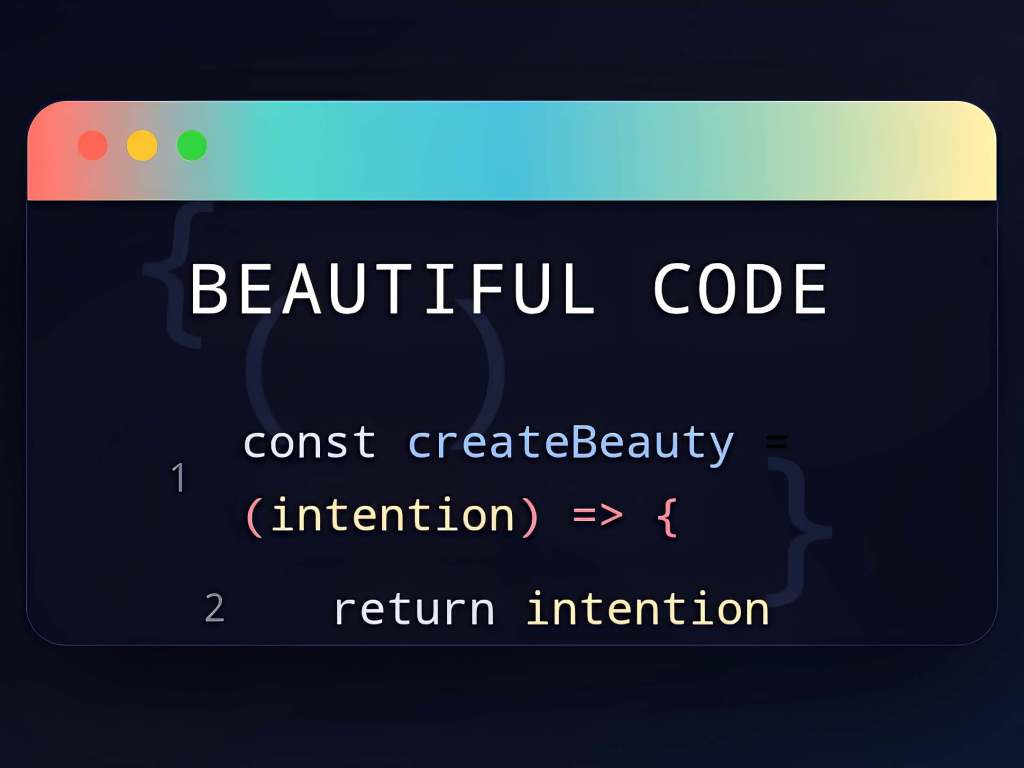
What Beautiful Code Means: An Autistic Software Engineer’s Perspective
The concept of “beautiful code” for an autistic software engineer emphasizes clarity, elegance, maintainability, and efficiency. It promotes cognitive accessibility, enhances collaboration, and offers personal fulfillment. Beautiful code not only serves functional purposes but also creates sensory and emotional harmony, reflecting a deeper connection between logic and creativity in programming.
-
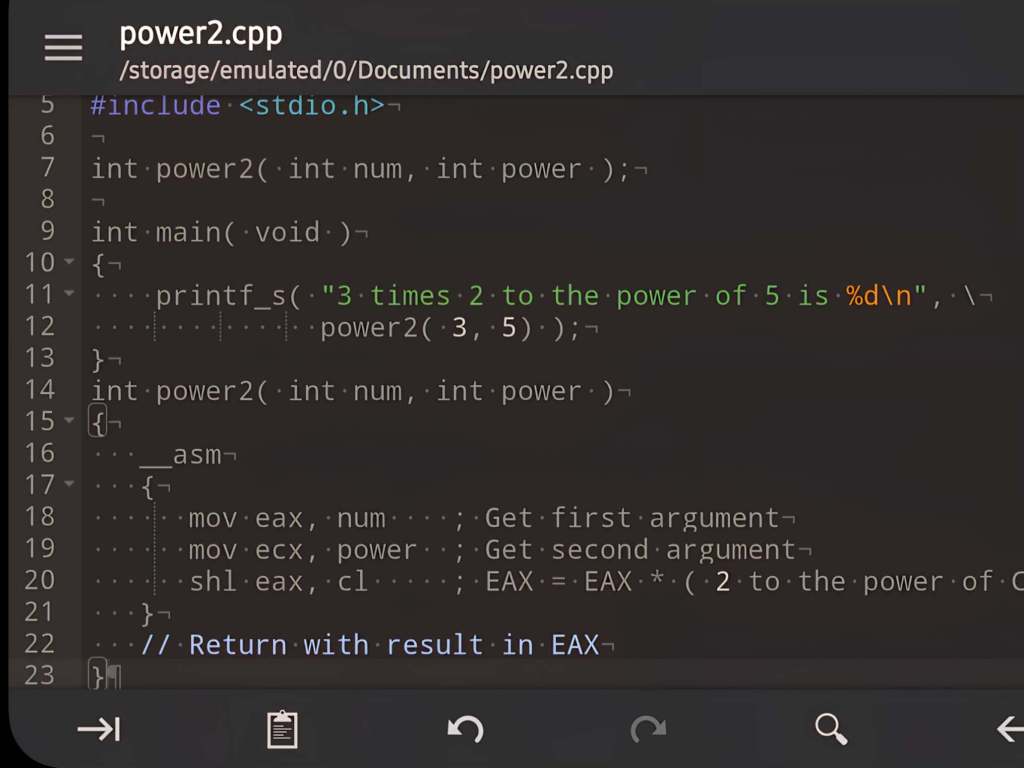
Software Compilers with Integrated Assembly Support: A Comprehensive Overview
Software compilers convert high-level programming languages into machine code, with integrated assembly enhancing developer control over hardware. This feature enables blending low-level efficiency with high-level productivity. The document reviews compiler history, mechanisms, application cases, and examples, emphasizing its significance in system programming, embedded systems, and performance optimization.
-

The Relationship Between CPU Design and Programming Language Theory Over the Past 50 Years
The essay explores the dynamic interplay between CPU design and programming language theory over fifty years. It traces developments from the 1970s to present, highlighting milestones such as structured programming with C, RISC architectures, and multicore processors. This evolving relationship has continuously influenced software optimization and hardware advancements, fostering innovation.
-
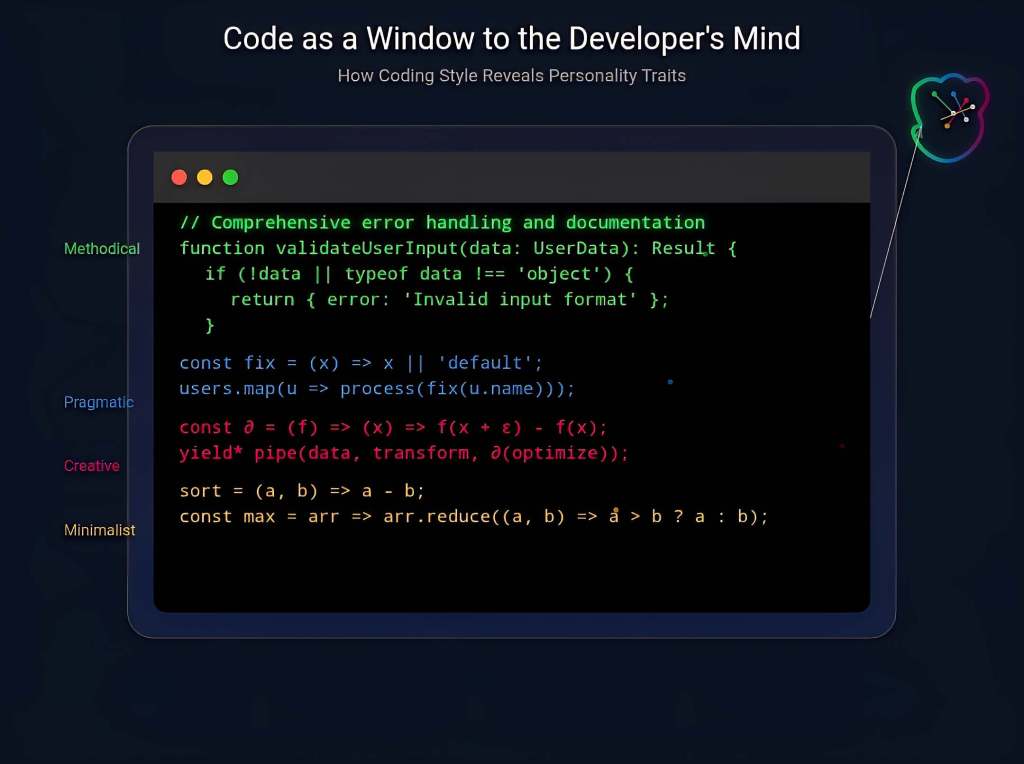
Decoding the Developer: What Coding Style Reveals About a Software Engineer’s Personality
The coding style of software engineers reflects their personality traits, offering insights into their psychological characteristics. Different styles, such as methodical, pragmatic, innovative, collaborative, competitive, defensive, and minimalist, highlight various attributes. Understanding these connections can enhance team dynamics, hiring practices, and individual growth, ultimately fostering a more effective software development environment.
 Software Engineering on the Spectrum