Month: May 2025
-
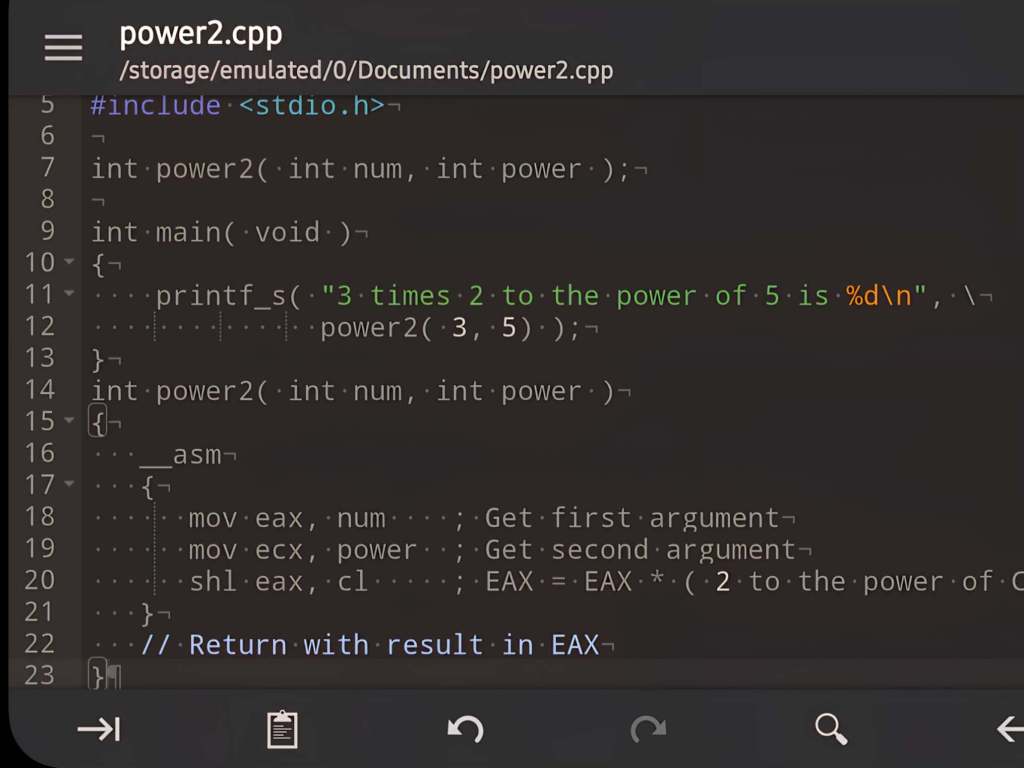
Software Compilers with Integrated Assembly Support: A Comprehensive Overview
Software compilers convert high-level programming languages into machine code, with integrated assembly enhancing developer control over hardware. This feature enables blending low-level efficiency with high-level productivity. The document reviews compiler history, mechanisms, application cases, and examples, emphasizing its significance in system programming, embedded systems, and performance optimization.
-

The Relationship Between CPU Design and Programming Language Theory Over the Past 50 Years
The essay explores the dynamic interplay between CPU design and programming language theory over fifty years. It traces developments from the 1970s to present, highlighting milestones such as structured programming with C, RISC architectures, and multicore processors. This evolving relationship has continuously influenced software optimization and hardware advancements, fostering innovation.
-
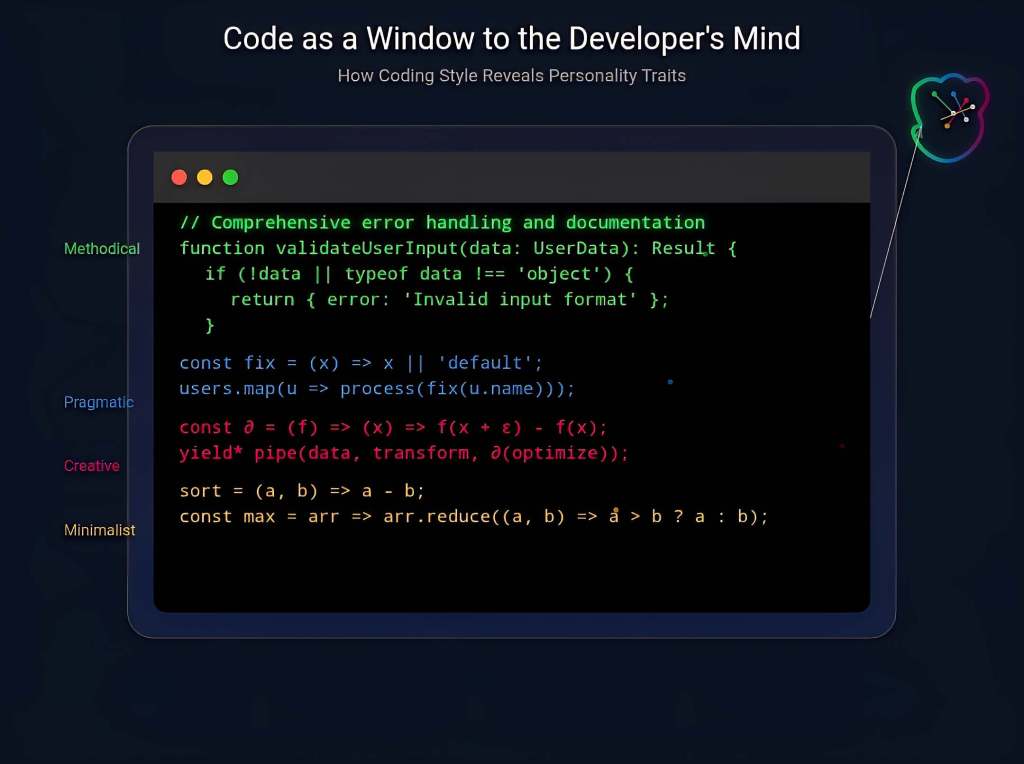
Decoding the Developer: What Coding Style Reveals About a Software Engineer’s Personality
The coding style of software engineers reflects their personality traits, offering insights into their psychological characteristics. Different styles, such as methodical, pragmatic, innovative, collaborative, competitive, defensive, and minimalist, highlight various attributes. Understanding these connections can enhance team dynamics, hiring practices, and individual growth, ultimately fostering a more effective software development environment.
-

Determining Odd or Even Integers in C# Without Using the Modulo Operator
In C#, determining if an integer is odd or even can be done without the modulo operator. Three methods are explored: bitwise AND (fastest, suitable for performance), division and multiplication (most readable), and bitwise shift (less intuitive). Each method has advantages and disadvantages, influencing choice based on performance, readability, or complexity.
-

Building Consistency in Software Engineering: A Journey of Deliberate Practice
Achieving engineering excellence requires consistent efforts over sporadic actions. Software engineers can improve through daily rituals, automated code checks, and structured learning. Time management techniques, commitment to code quality, and engaging with technical communities further enhance professional growth. Ultimately, consistent practices lead to sustainable success and ongoing progress in engineering careers.
-
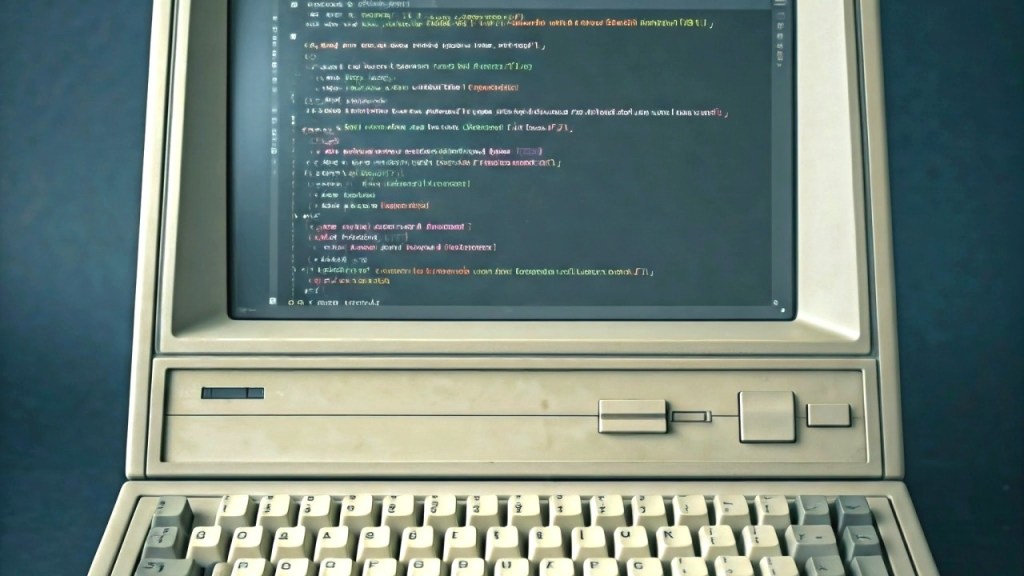
The Evolution of Software Engineering: A Study in Cyclical Innovations
Software engineering experiences continual transformation, revealing that many innovations are reimaginings of past concepts. Current trends in distributed computing, programming paradigms, and development methodologies echo historical practices. Each technological cycle promotes refinement, better addressing previous limitations while providing new insights. Understanding this cyclical nature enhances system development and innovation appreciation.
-

Agile Methodologies: Success Factors and Challenges in Software Engineering
Agile methodologies have transformed software development, emphasizing collaboration, adaptability, and continuous improvement. Key benefits include iterative development, CI/CD practices, and enhanced communication. However, challenges like focus on sprint velocity, excessive meetings, and misinterpretation of flexibility can lead to burnout and scope creep. A balanced, context-specific implementation is essential for success.
-

Blocky’s Big Clean-Up: How Computers Organize Crazy Piles
Quicksort is a fast sorting method where a “helper block” guides the organization of blocks into smaller and bigger groups. By repeatedly dividing the piles and selecting new helper blocks, the sorting process becomes efficient. This technique quickly organizes the blocks from smallest to largest, resembling a collaborative sorting game.
-

Mentoring Soft Skills in Software Engineering: A Comprehensive Guide
Success in software engineering requires more than technical skills; strong soft skills are crucial. Mentors should nurture problem-solving, communication, collaboration, adaptability, and critical thinking. They must guide mentees through real-world scenarios, promote effective dialogue, foster teamwork, encourage continuous learning, and provide constructive feedback, ensuring well-rounded professionals are prepared for industry challenges.
-

Writing a Self-Review: A Software Engineer’s Perspective
The annual self-review for software engineers offers a chance for professional reflection and growth, contrasting with their usual focus on team accomplishments. It fosters meaningful self-evaluation amidst fast-paced work environments. Although self-promotion feels uncomfortable, it is essential. Proper documentation transforms self-reviews into beneficial tools for career alignment and personal branding.
 Software Engineering on the Spectrum