Month: May 2025
-

Contextual Load in Source Code: A Comprehensive Analysis
In the complex field of software development, contextual load signifies the cognitive burden developers face while working with intricate source code. This article examines contextual load’s dimensions—dependency complexity, cognitive distance, conceptual density, and knowledge domain—along with measurement techniques and strategies for minimizing cognitive overhead to enhance developer productivity and system maintainability.
-

The Knight: A Metaphor for the Versatility and Impact of Software Engineers
The knight in chess symbolizes versatility and adaptability, reflecting the role of a software engineer. Its unique movement showcases creative problem-solving, while the ability to leap over obstacles parallels engineers overcoming technical challenges. Strategically, a well-placed knight can influence game outcomes, much like an engineer affects project success through innovation and maintaining system integrity.
-

The Evolutionary Lineage of Computational Thinking
The content explores the evolution of computational thinking through key innovators like Alan Turing, Grace Hopper, Edsger Dijkstra, Dennis Ritchie, Ken Thompson, Donald Knuth, Barbara Liskov, and Linus Torvalds. Their contributions illustrate how technology advances cumulatively, transforming abstract theories into practical applications and collaborative frameworks, highlighting human ingenuity and collaboration.
-
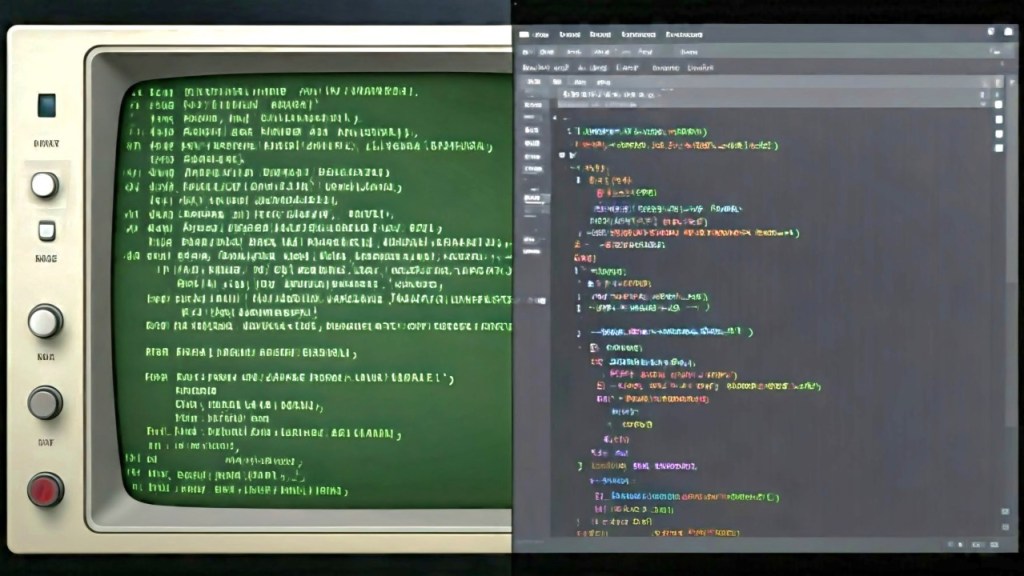
Programming Retro Computers: Insights into Computational Fundamentals
Exploring retro computing provides modern software engineers with essential educational experiences that enhance their understanding of software design, problem-solving, and computational thinking. By navigating the constraints of early computers, developers learn resource optimization, engage with low-level architecture, and cultivate creativity. These historical insights foster continuous learning and reaffirm foundational principles applicable across technology.
-

The Origins of Strongly Typed Programming Languages and Their Impact on Software Engineering
The evolution of strongly typed programming languages has transformed software engineering, emphasizing type safety and compile-time error detection. Originating from ALGOL, Pascal, and ML, these languages enhance reliability and maintainability in software. Their influence extends to advanced type systems and tools, shaping contemporary development practices and addressing increasing software complexity.
-

The Role of Curiosity in Technological Innovation
In software engineering, technical skills are foundational, but curiosity distinguishes professionals. This trait drives exploration, pushing engineers to question and innovate beyond standard practices. Curious engineers actively engage with technology, fostering continuous learning and problem-solving. They integrate insights from various disciplines, promoting holistic solutions and sustainability, making them essential in a rapidly changing tech landscape.
-

Strategies for Addressing Resistance to Change
To address resistance to new coding standards, experts recommend clearly communicating benefits, involving the team early, and gradually implementing changes. Key strategies include documenting advantages, fostering collaboration, using automated tools, providing support through pair programming, and handling concerns constructively while sharing success stories to build momentum and acceptance.
-

My Key Ingredients for Success as a Software Engineer: Mindfulness, Empathy, and Gratitude
The content emphasizes that alongside technical skills, personal qualities like mindfulness, empathy, and gratitude are essential for success in software engineering. Mindfulness helps in decision-making and stress management, empathy fosters effective collaboration and understanding user needs, while gratitude promotes a positive work environment and encourages growth.
-

The S in the SOLID Principal
The Single Responsibility Principle (SRP) posits that a class should have one defined responsibility, reducing complexity and enhancing modularity. Introduced by Robert C. Martin, SRP aids in crafting clearer, testable, and maintainable code by isolating functionalities. Violations lead to issues like “God Classes” and “Shotgun Surgery,” highlighting the need for focused design.
 Software Engineering on the Spectrum